Do You Need Special Screws for Pocket Holes? Expert Guide
Are you working on a woodworking project and wondering if you really need special screws for pocket holes? Choosing the right screws can make a huge difference in how strong and neat your joints turn out.
Using the wrong screws might lead to weak connections or even damage your wood. But don’t worry—this article will clear up the confusion and help you understand exactly what kind of screws you should use to get the best results every time.
Keep reading to make sure your pocket hole joints are solid, secure, and professional-looking.
Pocket Hole Basics
Pocket holes are a popular method in woodworking. They create strong joints quickly. Understanding pocket hole basics helps you use them correctly. This knowledge ensures your projects last longer and look better.
Below, learn what pocket holes are and their common uses in woodworking. This will guide you in choosing the right tools and screws.
What Are Pocket Holes
Pocket holes are angled holes drilled into wood. They allow screws to join two pieces at a hidden angle. This method hides screws from view. It also strengthens the joint without using nails or glue alone.
Woodworkers use a special jig to make pocket holes. This jig guides the drill to the correct angle and depth. The result is a clean, strong connection between wood pieces.
Common Uses In Woodworking
Pocket holes join wood parts in many projects. They are common in furniture making, such as cabinets and tables. Pocket holes help connect frames, shelves, and panels fast and strong.
This technique works well for repairs too. It hides screws in places where nails would show. Pocket holes save time and reduce the need for clamps during glue drying.

Types Of Screws For Pocket Holes
Pocket hole joints need the right screws to hold strong. Different screws fit different wood types and projects. Choosing the correct screw type helps avoid splitting and weak joints. Below are common screw types used for pocket holes.
Standard Pocket Hole Screws
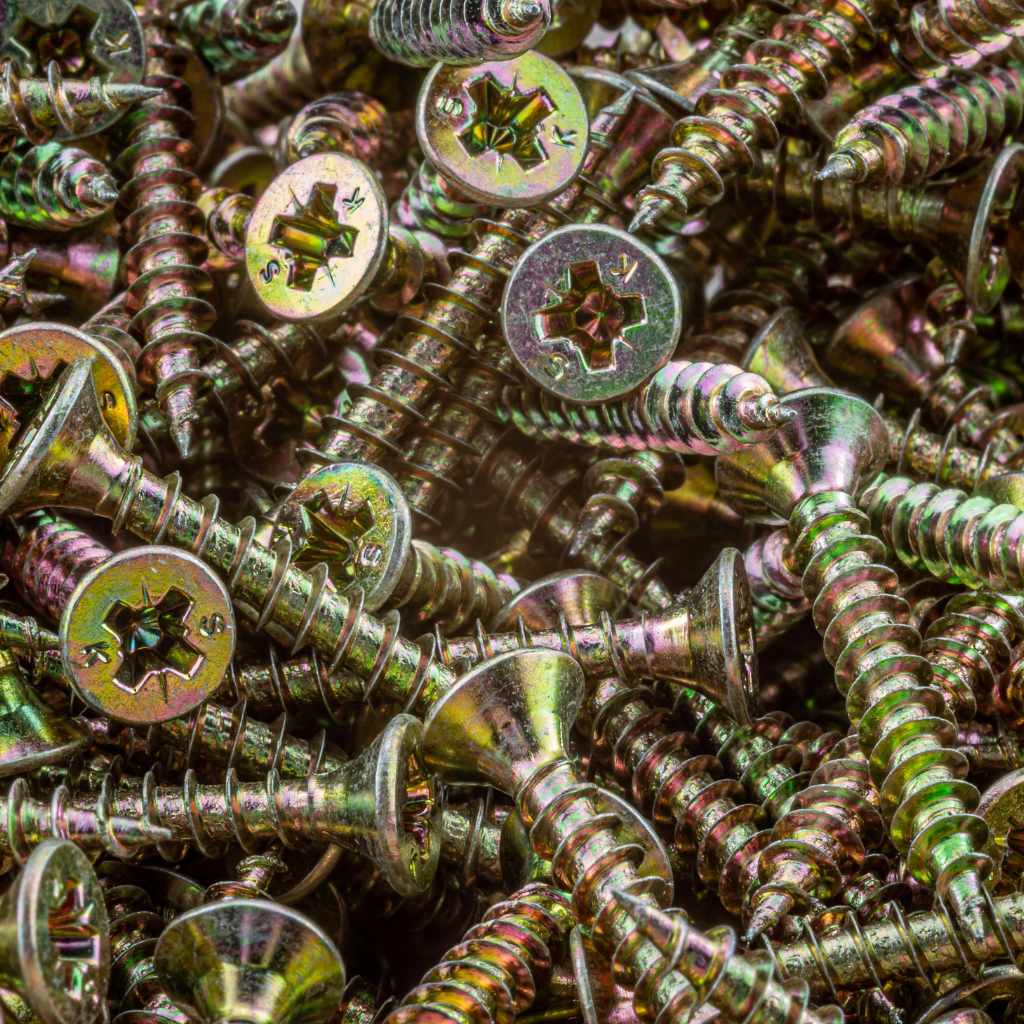
Standard pocket hole screws have a special head that fits pocket hole drivers. They have a flat washer-like head to pull the wood tightly together. These screws are usually self-tapping, which means they cut their own thread in wood. They come in various lengths for different wood thicknesses.
Coarse Vs Fine Thread Screws
Coarse thread screws have wider threads. They work best in softwoods like pine or cedar. Fine thread screws have tighter threads. They are ideal for hardwoods like oak or maple. Using the right thread type helps the screw grip better and prevents wood damage.
Material And Coating Options
Screws come in different materials like steel, stainless steel, or brass. Steel screws are strong but can rust if not coated. Stainless steel screws resist rust and last longer outdoors. Coatings like zinc or black phosphate protect screws from corrosion. Choose coated screws for damp or outdoor projects.
Why Special Screws Matter
Special screws for pocket holes play an important role in woodworking. They help keep your project strong and neat. Using the right screws makes a big difference. It stops common problems and ensures your work lasts long.
Preventing Wood Splitting
Regular screws can cause wood to split. Pocket hole screws have a special design. They start with a sharp tip that drills smoothly. This reduces pressure on the wood. The result is less chance of cracks or splits.
Ensuring Strong Joints
Strong joints hold your project together firmly. Special screws have a wide thread pattern. This pulls the wood tightly without loosening. The screws also have a flat head. It fits perfectly in the pocket hole for a flush finish.
Compatibility With Different Woods
Different woods have different hardness levels. Pocket hole screws work well with soft and hard woods. Their coating prevents rust and damage. This means they last longer and keep working well in all types of wood.
Choosing The Right Screw Size
Choosing the right screw size is key for strong pocket hole joints. The correct length and diameter make sure the screw holds the wood tightly. Using the wrong size can cause weak joints or damage the wood. Understanding the basics helps you pick screws that fit your project perfectly.
Length And Diameter Guidelines
Screw length depends on the wood thickness you are joining. Too short screws won’t hold well. Too long screws might go through the wood or split it. The diameter must fit the pilot hole in the pocket. Too thick screws can crack the wood. Too thin screws might not hold firmly.
Matching Screw Length To Wood Thickness
Choose screws that reach deep into the second piece of wood. The screw should enter about two-thirds of the way into the second board. For example, use 1 1/4 inch screws for 3/4 inch thick wood. For thicker wood, use longer screws to keep the joint strong. Measuring wood thickness helps pick the right screw length every time.
Tips For Using Pocket Hole Screws
Using pocket hole screws correctly helps create strong and clean joints. These tips will improve your woodworking projects. Follow simple steps to get better results with pocket hole screws.
Proper Driving Techniques
Drive screws straight into the pocket hole. Keep the drill steady and at a low speed. Avoid pushing too hard. Let the screw pull the wood pieces together. Stop driving as soon as the screw is flush with the surface.
Avoiding Common Mistakes
Do not overtighten screws. This can strip the hole or split the wood. Use the right screw length for the material thickness. Avoid using regular screws in pocket holes. They may not hold properly and can damage the wood.
Using Clamps For Better Results
Clamps hold wood pieces tight while driving screws. This prevents movement and keeps joints aligned. Use clamps to avoid gaps between boards. Release clamps only after screws are fully set and dry.
Alternatives To Special Screws
Special screws for pocket holes are designed for strong joints. Still, some woodworkers try other screws. These alternatives can work in some cases. Knowing your options helps you choose the right screw for your project.
Using Regular Wood Screws
Regular wood screws are easy to find in stores. They come in many sizes and types. You can use them for pocket holes, but they may not fit perfectly. Their threads might not grip the wood as well. Regular screws can cause splitting or weak joints. Pre-drilling holes helps reduce wood splitting with these screws.
Pros And Cons Of Alternatives
Alternatives to special screws save money and time. Regular screws are cheaper and widely available. You can try them for small or light projects. But they may not hold as tightly. The joint could loosen over time. Using the right screw ensures strong and lasting connections. Think about the project’s needs before choosing alternatives.
Where To Buy Pocket Hole Screws
Finding the right place to buy pocket hole screws is key for a strong woodworking project. These screws need to fit perfectly with your pocket hole jig and wood type. Many stores and websites offer these screws, but quality and price vary.
Choosing the right seller ensures you get screws that last and hold well. This saves time and effort during your work. Below are some tips on where to buy pocket hole screws.
Recommended Brands
Some brands are known for making reliable pocket hole screws. Kreg is one of the most popular brands. Their screws are designed specifically for pocket hole joinery. Other trusted brands include Spax and GRK. These brands offer screws with good strength and corrosion resistance. Choosing screws from well-known brands helps avoid problems like stripped heads or broken screws.
Buying Online Vs Local Stores
Online stores offer a wide range of pocket hole screws. You can find different sizes and finishes easily. Prices online are often lower than in local stores. Shipping may add to the cost but offers convenience. Local hardware stores let you see and feel the screws before buying. Staff can give advice and help you pick the right screws. For urgent needs, local stores are faster. Both options have benefits depending on your needs and budget.
Frequently Asked Questions
Do Pocket Holes Require Special Screws?
Yes, pocket holes need special screws designed for angled joints. These screws have a flat head and coarse threads for strong holding power.
Can Regular Screws Be Used For Pocket Holes?
Regular screws are not ideal for pocket holes. They may cause splitting or weak joints due to improper thread design and head shape.
What Makes Pocket Hole Screws Different?
Pocket hole screws feature self-tapping tips and wide threads. This design ensures secure fastening and prevents wood splitting during assembly.
Are Pocket Hole Screws Reusable?
Pocket hole screws are generally reusable if removed carefully. However, repeated use may reduce holding strength, so it’s best to use new screws for critical joints.
Conclusion
Using special screws for pocket holes ensures strong, lasting joints. These screws fit perfectly and prevent wood from splitting. Regular screws might not hold as well or cause damage. Choosing the right screws saves time and effort during projects. Pocket hole screws have features that make assembly easier and more reliable.
Stick to these screws for the best results. Your woodworking will look cleaner and stay sturdy longer. Simple choice, big difference.