Can You Drill into Stucco: Essential Tips for Perfect Results
Are you planning to hang something on your stucco wall but wondering if you can safely drill into it? You might be worried about causing cracks or damaging the surface.
Drilling into stucco isn’t as tricky as it seems, but there are important things you need to know before you start. You’ll discover the best tips and techniques to drill into your stucco without ruining it. Keep reading to learn how to get the job done right and protect your home’s exterior.
Stucco Basics
Stucco is a popular material for exterior walls. It offers a strong, weather-resistant surface. Many homes use stucco because it lasts long and looks nice. Understanding stucco helps with projects like drilling or repairs.
Stucco is not just one material. It has different types and layers. Knowing what it is made of and the surface types helps you work safely and correctly.
What Stucco Is Made Of
Stucco is a mix of cement, sand, and water. Sometimes lime is added for extra strength. These materials create a hard, dense coating. It forms a solid shell that protects walls from rain and wind. The mix is applied in layers to build thickness and durability.
Types Of Stucco Surfaces
Stucco surfaces vary by texture and finish. Some are smooth and sleek. Others are rough or patterned for style. Traditional stucco is thick and rough. Modern stucco may be thinner and smoother. The surface type affects how you can drill or attach items to it. Knowing the surface type helps prevent cracks or damage.
Tools Needed
Drilling into stucco requires the right tools for a clean and safe job. Without proper equipment, the stucco can crack or crumble. Preparing with the correct tools makes the task easier and protects your walls.
Here are the essential tools you need to drill into stucco effectively and safely.
Choosing The Right Drill
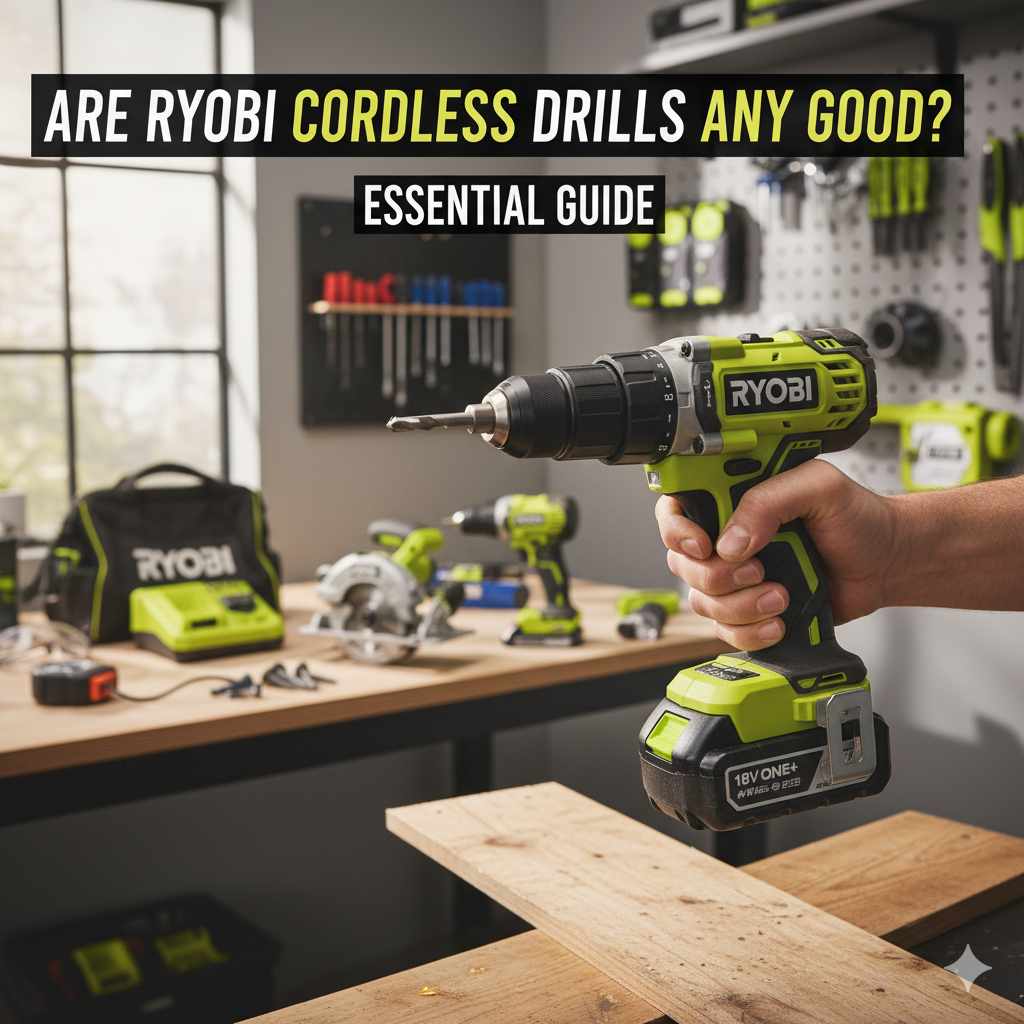
A hammer drill is best for stucco because it combines rotation with a hammering action. This helps break through the hard surface quickly. Cordless drills work well for small jobs, but corded hammer drills provide more power for thicker stucco.
Look for a drill with variable speed settings. Lower speeds help control the drilling and prevent damage. The drill should be comfortable to hold and easy to control for precise holes.
Best Drill Bits For Stucco
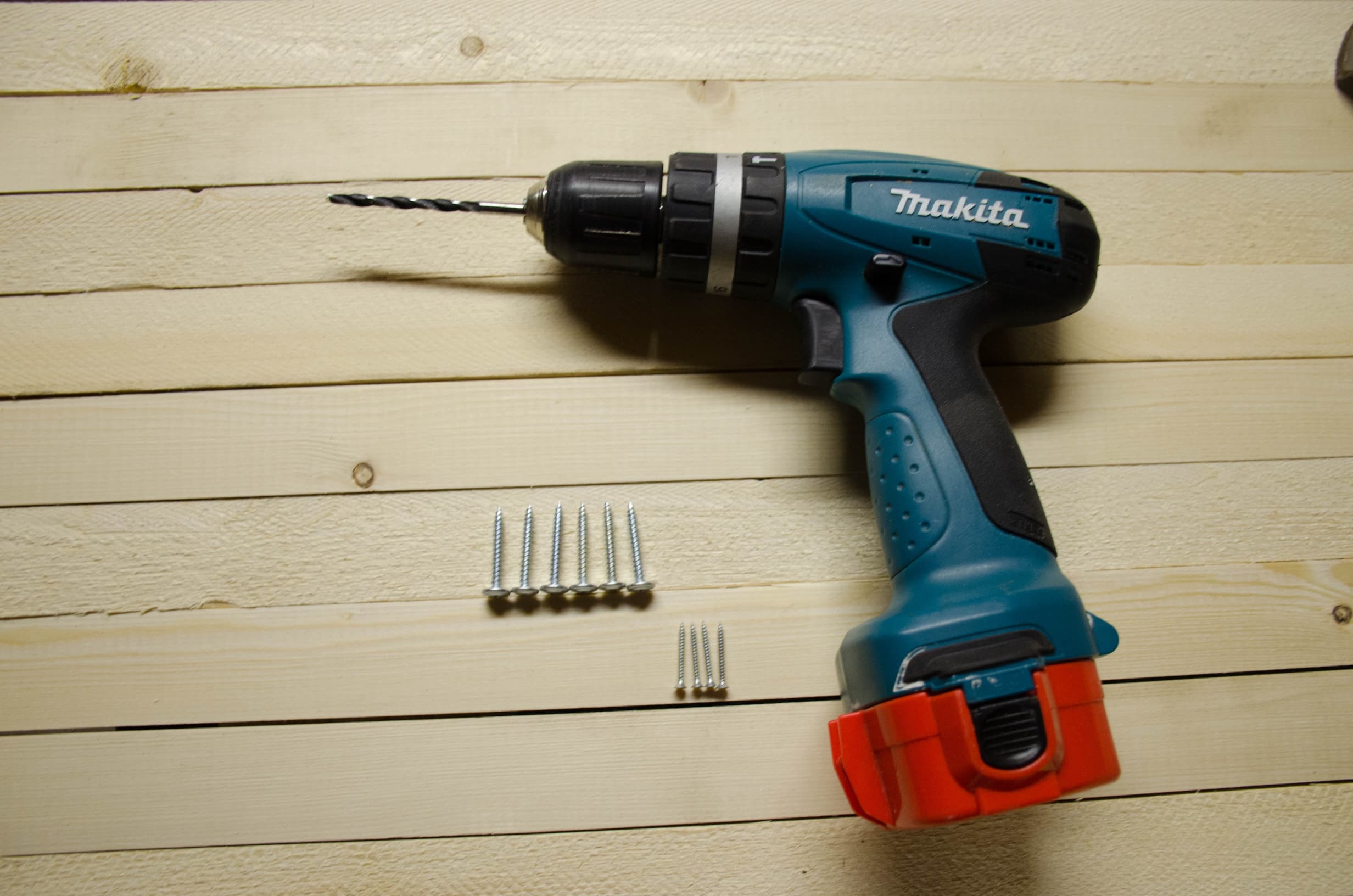
Masonry drill bits are designed to penetrate stucco without breaking. These bits have a carbide tip that stays sharp and cuts through tough surfaces. The size of the bit depends on the hole you need.
Start with a small pilot bit to make a guide hole. Then, switch to a larger bit if needed. Avoid using wood or metal bits as they can damage the stucco and drill.
Safety Gear Essentials
Wear safety glasses to protect your eyes from dust and debris. Stucco dust can irritate your eyes and lungs. A dust mask or respirator helps keep dust out of your nose and mouth.
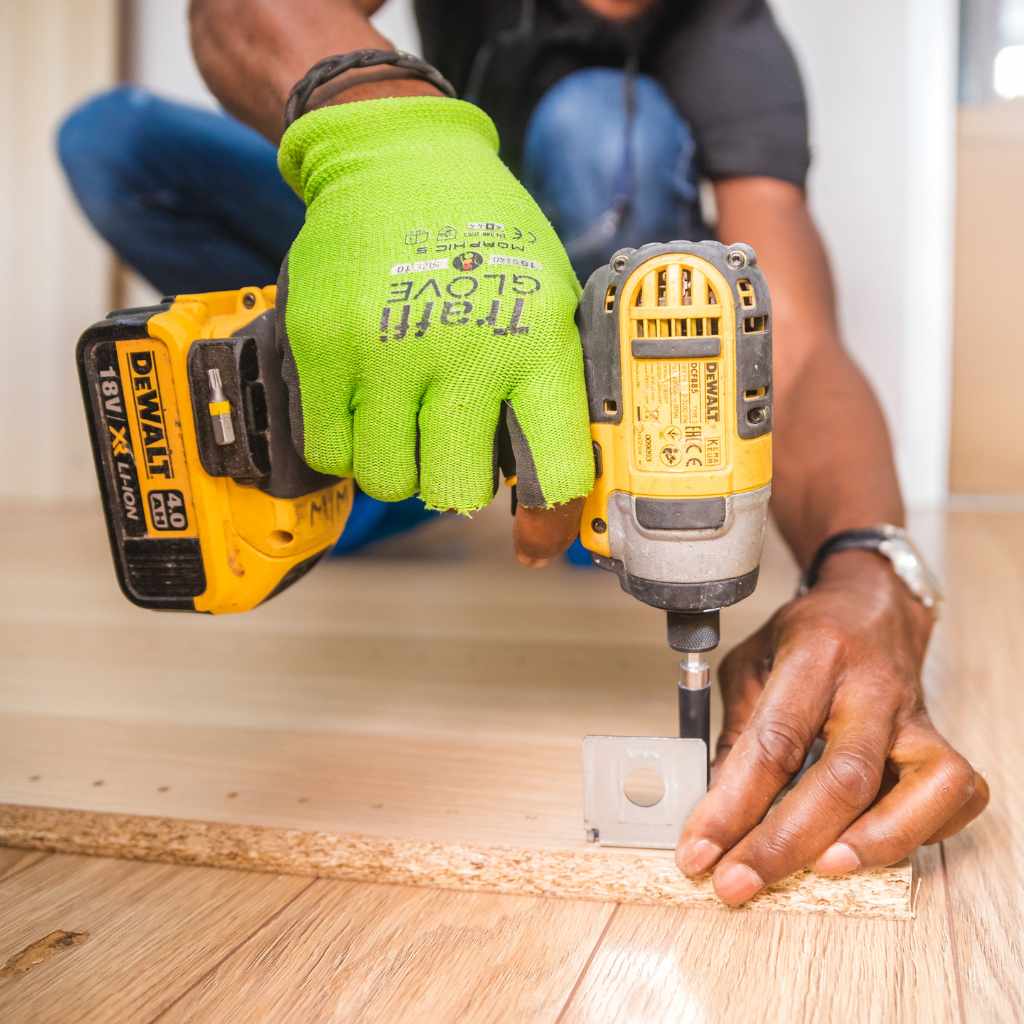
Use gloves to protect your hands from sharp edges and the drill’s vibration. Hearing protection is also a good idea, especially with powerful hammer drills. Proper gear keeps you safe during the drilling process.
Preparation Steps
Drilling into stucco requires careful preparation to avoid damage and ensure safety. Proper steps help you drill accurately and protect your home’s structure. Follow these simple preparation steps before starting your project.
Locating Studs And Avoiding Wires
Find the studs behind the stucco. Use a stud finder for best results. Avoid drilling into electrical wires or plumbing pipes. Check your home’s wiring layout if possible. Stay clear of any cables to prevent accidents or damage.
Marking Drill Points Accurately
Measure and mark the drill spots carefully. Use a pencil or chalk for clear marks. Double-check measurements before drilling. Proper marking ensures holes are straight and in the right place. This saves time and prevents mistakes.
Cleaning The Surface
Remove dirt and dust from the drilling area. Use a soft brush or cloth for cleaning. A clean surface helps the drill bit grip better. It also prevents debris from entering the hole. Clean surfaces lead to smoother drilling and a neater finish.
Drilling Techniques
Drilling into stucco requires careful technique to avoid damage. Stucco is a hard material, but it can crack if you are not gentle. Using the right tools and methods will help you make clean holes. This section covers key drilling techniques to protect your stucco and get good results.
Drill Speed And Pressure Tips
Keep the drill speed low to medium. High speed can heat the drill bit and stucco, causing cracks. Apply gentle pressure. Pressing too hard may break the stucco surface. Let the drill bit do the work. Use steady, even force to avoid slips and damage.
How To Start The Hole
Begin with a small pilot hole. This helps guide the drill bit and reduces stress on the stucco. Use a masonry drill bit designed for hard surfaces. Hold the drill perpendicular to the wall. Starting straight prevents angled holes and weak spots.
Preventing Stucco Cracks
Use a piece of masking tape over the drilling spot. This keeps the surface from chipping. Drill slowly and pause if you feel resistance. Avoid drilling too close to edges or corners. These areas are more likely to crack. After drilling, fill holes with suitable sealant to protect from moisture.
After Drilling Care
After drilling into stucco, proper care is essential to keep the surface strong and looking good. Small mistakes can cause cracks or water damage. Taking a few careful steps helps protect your walls and ensures the drill hole lasts long.
Sealing The Hole
Seal the drilled hole right after making it. Use a waterproof sealant or caulk to close the gap. This stops water from entering and causing damage inside the wall. Smooth the sealant with a putty knife for a clean finish. Let it dry completely before moving on.
Installing Anchors Or Fixtures
Choose the right anchors for stucco walls. Plastic or metal anchors work best for holding screws firmly. Insert the anchor gently into the hole. Avoid forcing it, which can crack the stucco. Attach your fixture securely, but do not overtighten the screws. This keeps the stucco safe from stress.
Maintaining Stucco Integrity
Check the drilled area regularly for cracks or loose parts. Clean the surface with a soft brush to remove dirt. Avoid using harsh chemicals that can wear down the stucco. Repair small cracks quickly with fresh stucco or sealant. Keeping the area healthy extends the life of your wall.

Common Mistakes
Drilling into stucco seems simple. Many make mistakes that cause damage or poor results. Avoiding these common errors saves time and money. Learn what to watch for before starting your project.
Using Incorrect Tools
Not all drills work well on stucco. Using the wrong drill bit can crack or chip the surface. Masonry bits are best. They cut through hard stucco without damage. Avoid wood or metal bits for this task.
Ignoring Safety Precautions
Stucco dust harms your lungs and eyes. Not wearing safety goggles or a mask is risky. Always protect yourself before drilling. Gloves help protect hands from sharp edges. Safety keeps your project smooth and safe.
Drilling Without Preparation
Jumping in without planning leads to problems. Mark the spot carefully to avoid mistakes. Clean the surface first to get a good grip. Check for wires or pipes behind the wall. Preparation makes drilling easier and safer.
Troubleshooting
Troubleshooting issues after drilling into stucco is important to keep walls strong and looking good. Stucco is a hard surface, but it can crack or chip. Anchors may also become loose over time. Fixing these problems quickly stops damage from getting worse. Simple repairs help maintain the wall’s strength and beauty.
Fixing Cracks And Chips
Small cracks or chips in stucco happen after drilling. Use a putty knife to clean loose pieces. Fill the cracks with stucco patch or exterior filler. Smooth the patch to match the wall’s surface. Let it dry fully before painting. This keeps water from entering and causing more damage.
Dealing With Loose Anchors
Loose anchors reduce the hold on your wall. Remove the loose anchor carefully. Clean the hole to remove dust and debris. Use a bigger anchor or a wall plug designed for stucco. Insert it firmly to ensure a tight fit. Check the anchor’s hold before hanging anything heavy.
Frequently Asked Questions
Can You Drill Into Stucco Walls Safely?
Yes, you can drill into stucco safely by using the right tools. Use a masonry bit and drill slowly. Avoid applying too much pressure to prevent cracking. Always wear safety goggles and check for wires or pipes behind the surface.
What Drill Bit Is Best For Stucco?
A masonry drill bit is best for stucco. It is designed to penetrate hard surfaces like stucco and concrete. Use a carbide-tipped bit for better durability and clean holes. This ensures efficient drilling without damaging the stucco.
How Do You Prevent Stucco Cracks When Drilling?
To prevent cracks, drill slowly with steady pressure. Use a smaller pilot hole before the final size. Avoid hammer drills unless necessary, and keep the drill bit cool. Proper technique reduces the risk of damaging the stucco surface.
Can You Hang Items On Stucco After Drilling?
Yes, you can hang items on stucco after drilling. Use appropriate anchors like masonry anchors or sleeve anchors. These provide strong support and prevent damage. Always choose anchors rated for the weight of the item.
Conclusion
Drilling into stucco is possible with the right tools and care. Use a masonry drill bit and go slow to avoid cracks. Always mark the spot and check for wires behind the wall. Protect your eyes and wear a mask to avoid dust.
Taking these steps helps keep your stucco strong and looking good. With patience, you can safely hang items or make repairs on stucco surfaces. Simple preparation makes the job easier and prevents damage.