Can You Drill into Brick With a Regular Drill? Expert Tips Revealed
Have you ever stood in front of a brick wall, drill in hand, wondering if your regular drill is enough to get the job done? You’re not alone.
Many people hesitate because brick feels tough and unyielding. But here’s the truth: with the right approach, your regular drill can actually handle brick. Imagine saving time, money, and frustration by knowing exactly how to drill safely and effectively into brick.
Keep reading, and you’ll discover simple tips that make this task easier than you think. Your next home project just got a whole lot simpler.
Choosing The Right Drill
Choosing the right drill matters a lot when drilling into brick. Not all drills work well on hard surfaces like brick. Picking the right tool makes the job easier and safer. This section explains what to consider before starting your project.
Corded Vs Cordless Drills
Corded drills offer constant power without battery limits. They are good for long jobs on tough materials like brick. Cordless drills provide freedom to move without cords. But their power drops as the battery runs out. For brick, corded drills usually perform better.
Drill Power And Speed
Higher power drills make drilling into brick easier. Look for drills with at least 600 watts or 18 volts. Variable speed control helps adjust the drill for different steps. Start slow to avoid cracking the brick. Increase speed as the drill bit bites in.
Drill Bits For Brick
Use masonry drill bits designed for brick and stone. These bits have a special tip made from carbide or tungsten. Regular metal bits wear out fast on brick and may break. Choose the right size bit for your hole to get clean results.

Preparing To Drill
Preparing to drill into brick requires careful steps to ensure success and safety. Brick is tough and needs the right approach. Taking time to prepare helps avoid mistakes and damage.
Marking The Spot
Start by choosing the exact spot for drilling. Use a pencil or chalk to mark it clearly. Check twice to make sure the spot is correct. This helps guide the drill and keeps the hole straight.
Safety Precautions
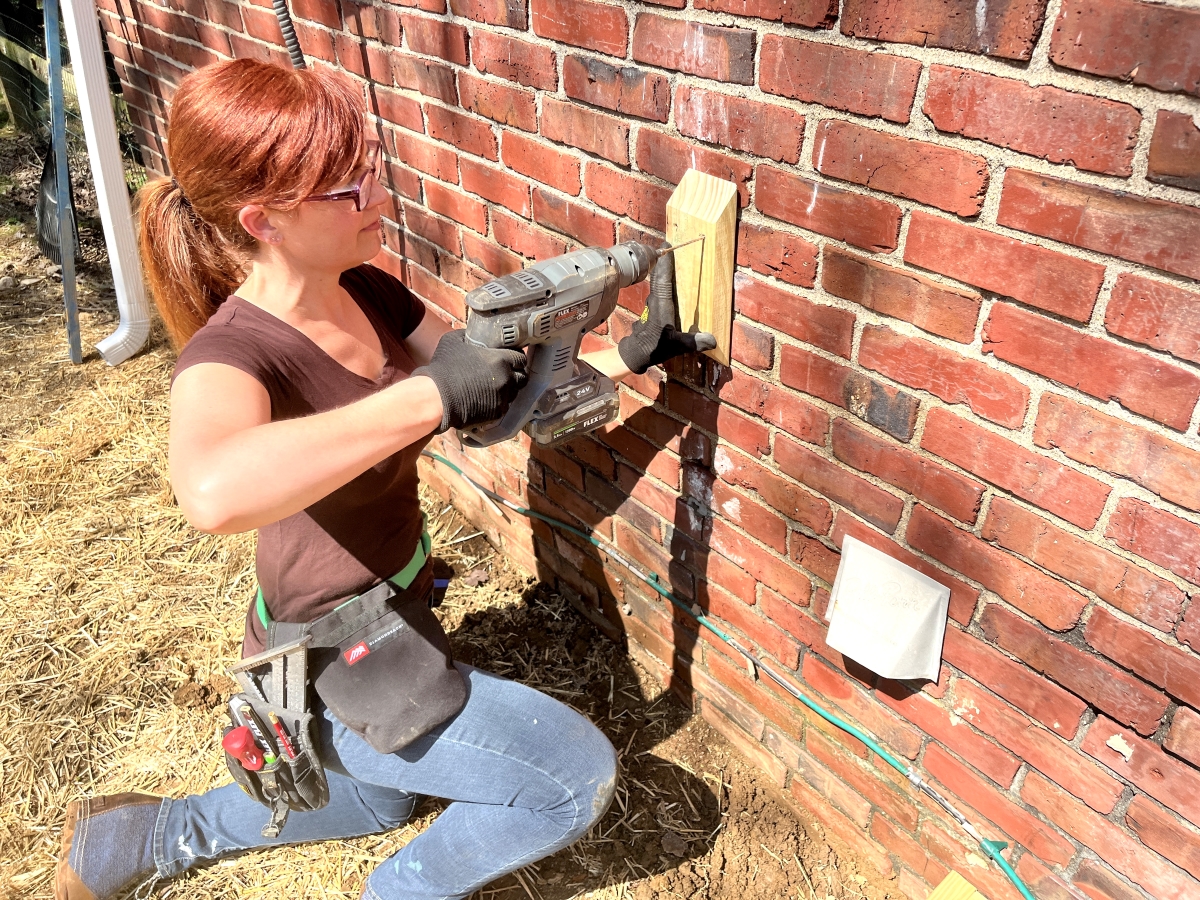
Wear safety glasses to protect your eyes from dust and debris. Use gloves to protect your hands from sharp edges. Work in a well-ventilated area to avoid breathing dust. Keep children and pets away from the work area.
Using Anchors And Plugs
Brick is brittle and needs support for screws. Use plastic anchors or wall plugs in the drilled hole. Tap the anchor gently with a hammer until it fits snugly. This keeps screws firm and stops the brick from cracking.
Drilling Techniques
Drilling into brick requires careful technique. A regular drill can work well with the right methods. Proper drilling makes the job easier and prevents damage.
Follow these drilling techniques to get the best results. They help you start the hole, keep steady pressure, and avoid tool overheating.
Starting The Hole
Begin by marking the spot on the brick. Use a small nail or a punch to make a shallow dent. This helps keep the drill bit from slipping. Start drilling at a low speed to gain control. Drill straight and steady to create a clean hole.
Applying Consistent Pressure
Press the drill firmly but gently against the brick. Too much force can crack the brick or break the bit. Too little pressure slows the drilling process. Keep a steady rhythm and let the drill do the work. Avoid pushing hard or stopping suddenly.
Avoiding Overheating
Drilling into brick creates heat. Too much heat can damage the drill bit. Pause often to let the drill cool down. Use water to wet the area if needed. Cooling helps the drill bit last longer and keeps the hole clean.
Troubleshooting Common Issues
Drilling into brick with a regular drill can sometimes bring challenges. These issues slow down your work or damage the brick. Knowing how to fix common problems helps you drill safely and efficiently. The following tips cover frequent issues and simple solutions.
Drill Bit Slipping
Drill bits can slip on smooth brick surfaces. This makes it hard to start the hole. Use a piece of tape on the spot to create grip. Press the bit firmly before turning on the drill. A small pilot hole can also help guide the bit. Choose a masonry drill bit for better traction.
Cracking Or Chipping Brick
Cracks or chips appear if you drill too hard or fast. Start with a slow speed to avoid damage. Hold the drill steady and apply light pressure. Use a hammer drill setting if available. Stop often to clear dust from the hole. This prevents overheating and cracking.
Slow Drilling Progress
Drilling into brick is slower than wood or drywall. Use a sharp, carbide-tipped masonry bit for faster drilling. Check the drill’s battery or power source if progress is slow. Avoid pushing too hard; let the drill do the work. Take breaks to avoid overheating the bit.
Alternative Tools For Brick
Drilling into brick requires the right tools to avoid damage and achieve clean holes. Regular drills struggle with hard surfaces like brick. Alternative tools help make the job easier and safer. These tools are designed for tough materials and improve efficiency.
Hammer Drill Benefits
Hammer drills combine rotation with a hammering action. This action breaks the brick as the drill spins. It reduces effort and speeds up the drilling process. Hammer drills work well for small to medium holes. They prevent cracks and chips in the brick surface. Using a hammer drill is safer for the wall structure.
Using Rotary Hammers
Rotary hammers are stronger and heavier than hammer drills. They use a piston mechanism for powerful impacts. These tools drill large holes quickly in brick and concrete. Rotary hammers come with different modes for drilling and chiseling. They are ideal for tough jobs and frequent use. The extra power reduces wear on the drill bit.
When To Call A Professional
Some jobs require expert skills and special tools. Large holes or deep drilling in brick need experience. Professionals know how to protect the wall and avoid damage. They have heavy-duty tools not available for home use. Calling a professional saves time and prevents costly mistakes. It ensures the job is done safely and correctly.
Frequently Asked Questions
Can You Drill Brick With A Regular Drill?
Yes, you can drill brick with a regular drill if it has a hammer function. Use masonry drill bits for best results. Without the hammer mode, drilling will be slower and may damage the bit or brick surface.
What Drill Bit Is Best For Drilling Brick?
Use a masonry drill bit with a carbide tip. These bits are designed to penetrate hard surfaces like brick and mortar. Avoid using wood or metal bits, as they will wear out quickly and cause poor drilling performance.
How To Avoid Brick Damage When Drilling?
Use a slow speed and steady pressure while drilling. Start with a small pilot hole, then increase drill size gradually. Avoid hammering too hard, and always use appropriate drill bits to prevent cracking or chipping the brick.
Can A Regular Drill Handle Large Holes In Brick?
Regular drills can handle small to medium holes in brick. For larger holes, a hammer drill or rotary hammer is recommended. These tools provide more power and impact, making drilling faster and reducing damage risk.
Conclusion
Drilling into brick with a regular drill is possible but tricky. Use the right drill bit designed for masonry. Take your time and apply steady pressure. Avoid forcing the drill to prevent damage. A hammer drill works better for tough bricks.
Always wear safety gear to protect your eyes and hands. With care and the proper tools, you can complete your project successfully. Practice on a spare brick to build confidence. Drilling brick is not impossible; it just needs patience and the right approach.