Can You Drill into a Tree: Risks, Tips, and Expert Advice
Have you ever wondered if it’s safe to drill into a tree? Maybe you want to hang a birdhouse, install a swing, or run some outdoor wiring.
Before you grab your drill, it’s important to know what happens when you pierce a tree’s bark and wood. Could it harm your tree, or is it perfectly fine? You’ll discover the truth about drilling into trees, what risks you might face, and how to do it the right way—if you decide to do it at all.
Keep reading to protect your tree and make the best choice for your project.
Tree Drilling Basics
Drilling into trees is a practice used in several situations. It involves making holes in the tree trunk or branches. Knowing the basics helps protect the tree and achieve the goal effectively.
Understanding why and how to drill keeps the tree healthy. It also helps avoid damage that could harm the tree’s growth.
Why Drill Into Trees
Drilling helps collect sap for syrup production. It allows scientists to study tree health by taking core samples. Sometimes, holes are made to insert sensors or support wires. Tree drilling can also help remove pests or treat infections inside the tree.
Common Tools Used
Hand drills and power drills are the most common tools. Auger bits are used to make clean, round holes. Increment borers help remove small core samples without harming the tree. Always choose sharp, clean tools to reduce damage and infection risks.

Risks Of Drilling Trees
Drilling into a tree carries several risks. Trees are living beings. Damaging them can cause serious problems. Understanding these risks helps protect trees and the environment.
Potential Tree Damage
Drilling creates holes that break the bark and wood. This damage can weaken the tree’s structure. The tree may become unstable and prone to falling. Cracks or splits might develop around the drilled area. These injuries make the tree less strong.
Impact On Tree Health
Holes let pests and fungi enter the tree. These invaders can cause infections and diseases. The tree’s ability to move water and nutrients may reduce. Over time, the tree can become sick or die. Healing a drilled wound takes a long time.
Environmental Concerns
Trees play a key role in the environment. Damaged trees may not provide enough oxygen or shade. Animals that live in trees lose their homes. Soil erosion can increase if trees weaken or fall. Protecting trees helps keep the ecosystem healthy.
Choosing The Right Tree
Choosing the right tree is important before drilling. Not all trees handle drilling well. The tree’s health and type affect its ability to heal. This helps avoid harming the tree or causing decay. Knowing which tree to pick protects its life and your project.
Tree Species Considerations
Some trees are stronger and heal faster than others. Hardwoods like oak and maple tolerate drilling better. Softwoods such as pine and fir may be more fragile. Avoid drilling into rare or protected species. Choose common, sturdy trees for safer results.
Tree Age And Condition
Young trees have thin bark and soft wood. Drilling can cause serious damage to them. Older trees have tougher bark and stronger wood. But very old trees might be weak inside. Always check if the tree looks healthy and solid before drilling.
Drilling Techniques
Drilling into a tree requires care and the right methods. The goal is to protect the tree while completing your task. Using the correct technique helps keep the tree healthy and strong.
Understanding how to drill properly reduces damage and helps the tree heal faster. The right tools and approach make a big difference.
Proper Drill Bit Selection
Choose a drill bit that suits the tree’s wood type. A sharp, clean bit works best. Avoid dull or rusty bits as they can harm the tree.
Use bits designed for wood, like spade or auger bits. They create smooth holes and reduce tearing. The right size depends on the purpose of drilling.
Correct Drilling Depth
Drill only as deep as necessary. Going too deep can hurt the tree’s core. Shallow holes heal faster and cause less stress.
Measure the depth before drilling. Mark the drill bit to avoid going too far. Slow and steady drilling prevents cracks and splits.
Avoiding Harmful Practices
Never drill near the tree’s main roots or trunk base. These areas are sensitive and vital for water flow. Avoid drilling multiple holes close together.
Do not leave holes open for long periods. Cover or seal them if needed to prevent pests and disease. Always clean your tools before and after use.
Aftercare For Drilled Trees
Drilling into a tree creates a wound that needs care. Proper aftercare helps the tree heal and stay healthy. Neglecting these steps can cause damage or disease. Follow simple actions to protect the tree after drilling.
Sealing And Protecting Wounds
After drilling, cover the hole to stop pests and water. Use tree wound sealant or natural substances like beeswax. Avoid using paint or tar, as they can trap moisture. Keep the area dry and clean to prevent rot. Protecting wounds helps the tree close the hole faster.
Monitoring Tree Recovery
Check the drilled area often for signs of healing or problems. Look for new bark growth and shrinking wounds. Watch for insects, mold, or oozing sap. Early detection of issues allows quick action to save the tree. Keep monitoring for several months until full recovery.
Expert Tips And Advice
Drilling into a tree needs careful thought. Trees are living beings and can get hurt. The right steps protect the tree and keep it healthy. Follow expert advice to avoid damage and harm.
Experts share tips on when to avoid drilling. They suggest talking to tree doctors before any work. Also, there are safer ways to do many tasks without drilling.
When To Avoid Drilling
Do not drill if the tree looks weak or sick. Old wounds or cracks make drilling risky. Avoid drilling near the base or roots. These areas are very sensitive and vital for tree health. Drilling during dry or very cold times can harm the tree more.
Consulting Arborists
Arborists know trees well. They can check if drilling is safe. They use special tools and tests to decide. A quick call to an arborist can save a tree. Experts can guide on how deep and where to drill.
Alternative Methods
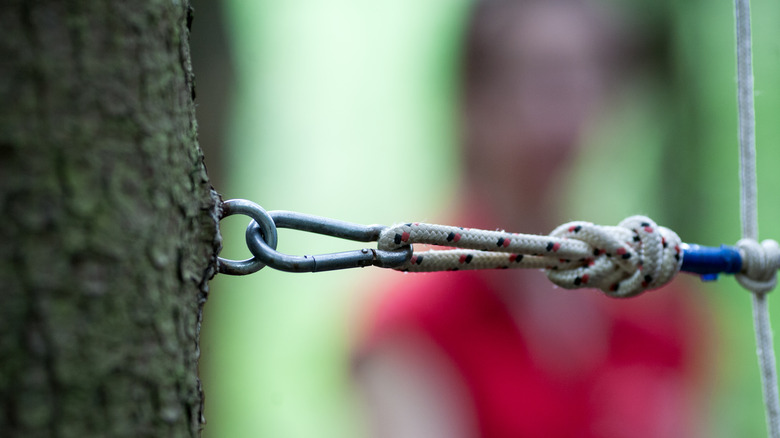
Use straps or bands to hang items instead of drilling. Nails and screws can also hurt the tree, so avoid them. Consider free-standing supports or posts near the tree. These options protect the tree while doing the job. Sometimes, simple changes avoid drilling altogether.
Frequently Asked Questions
Can Drilling Harm A Tree’s Health?
Yes, drilling can harm a tree by creating wounds. These wounds may invite pests and diseases. Proper care and minimal drilling reduce damage risks.
What Tools Are Best For Drilling Into Trees?
Use sharp, clean drill bits to minimize tree injury. Smaller bits cause less damage. Avoid using dull or rusty tools.
How Deep Can You Safely Drill Into A Tree?
Drill only as deep as necessary, usually 1-2 inches. Going deeper risks harming vital tissues and tree stability.
Is Drilling Necessary For Tree Care Or Projects?
Drilling is sometimes needed for tree health assessments or installing supports. However, avoid unnecessary drilling to protect the tree.
Conclusion
Drilling into a tree can harm its health if done carelessly. Always choose the right spot and tools to protect the tree. Small holes might heal, but big ones can cause serious damage. Think about why you need to drill and if it’s really necessary.
Taking care of trees keeps our environment healthy and green. Be gentle with nature, and trees will thrive for years.