Can I Use a Screwdriver Instead of a Drill: Essential DIY Tips
Have you ever found yourself stuck with a screw to tighten but no drill in sight? You might wonder, “Can I use a screwdriver instead of a drill?” It’s a common question that can save you time, effort, and even money.
But before you grab that screwdriver, there’s more to know. This article will help you understand when a screwdriver works, when it doesn’t, and how to get the best results without damaging your project—or your tools. Keep reading to find out which tool is right for your job and how to make your DIY tasks easier.
Choosing Between Screwdriver And Drill
Choosing between a screwdriver and a drill can affect how well your project turns out. Both tools help to drive screws, but they work in different ways. Picking the right tool saves time and effort. It also prevents damage to your materials. Understanding their differences helps you decide which tool to use for each task.
Key Differences
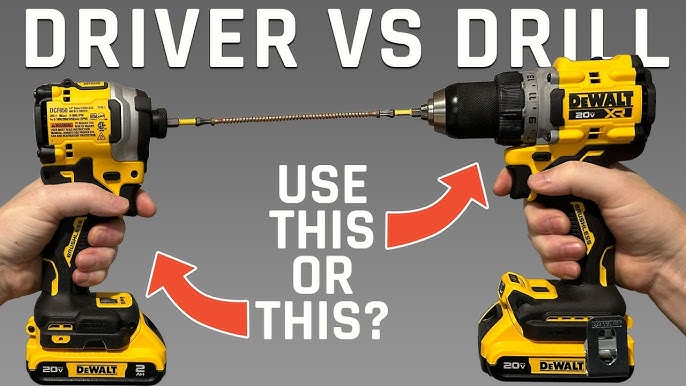
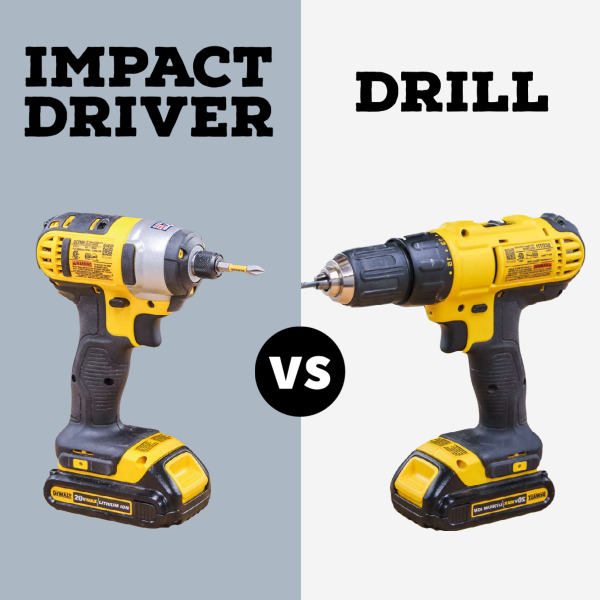
A screwdriver is simple and manual. You hold it and twist to turn screws. It offers more control but needs more effort. A drill is powered and spins screws quickly. It can also drill holes. Drills have adjustable speeds and torque settings. This makes them versatile and fast. Screwdrivers are better for small jobs. Drills suit larger projects or tough materials.
When To Use Each Tool
Use a screwdriver for light tasks and tight spaces. It is good for delicate work where speed is not needed. Choose a drill for heavy-duty tasks and many screws. It works best on wood, metal, or thick materials. A drill saves time on big jobs. A screwdriver helps avoid over-tightening screws. This keeps screws and surfaces safe. Match the tool to the task for best results.
Credit: www.youtube.com
Types Of Screwdrivers And Drills
Screwdrivers and drills come in many types. Each type serves different tasks. Knowing these types helps choose the right tool for your job.
Some screwdrivers are simple and need hand power. Others use electricity to make work faster. Drills also have types based on how they get power and their features.
Manual Vs Electric Screwdrivers
Manual screwdrivers are simple tools. They need your hand to turn screws. They work well for small jobs and tight spaces.
Electric screwdrivers use a motor to turn screws. They save time and reduce hand strain. They are best for many screws or hard materials.
Corded Vs Cordless Drills
Corded drills plug into power outlets. They provide constant power for heavy work. They are good for long tasks without breaks.
Cordless drills run on batteries. They offer freedom to move around. Their power depends on battery life and charge.
Tasks Suitable For Screwdrivers
Screwdrivers work well for many small tasks. They give control and precision. Some jobs do not need a drill. A screwdriver fits these tasks better. It is easy to use and light. Let’s see what tasks suit screwdrivers best.
Light-duty Screwing
Screwdrivers are ideal for light screwing jobs. Tightening or loosening small screws is simple. Furniture assembly often needs this. Electronics repair also uses screwdrivers. These tasks need care and slow turning. A screwdriver offers better control than a drill. It prevents over-tightening and damage.
Delicate Materials
Delicate materials require a gentle touch. Wood, plastic, and thin metal can crack or break. Using a drill might be too strong. Screwdrivers allow slow and steady pressure. They reduce the risk of splitting or cracking. This makes screwdrivers safer for fragile items. Small projects with delicate parts benefit most.
Credit: enontab.org
Drill Advantages For Diy Projects
Using a drill for DIY projects offers clear advantages over a screwdriver. A drill makes tasks faster and easier. It helps complete jobs with less effort. Many people find drills more practical for various home tasks.
Speed And Efficiency
A drill works much faster than a screwdriver. It spins screws quickly, saving time. This speed helps finish projects sooner. Less effort is needed to drive screws deep. Drills reduce hand strain during long tasks. They keep the work smooth and steady.
Versatility With Attachments
Drills support many attachments for different jobs. You can use drill bits for holes or screwdriver bits for screws. Some drills also handle sanding or mixing tasks. Changing attachments is simple and quick. This makes drills useful for many home repairs. One tool can replace several others.
Limitations Of Using A Screwdriver Instead Of A Drill
Using a screwdriver instead of a drill has clear limits. It may work for small tasks, but bigger jobs reveal its weaknesses. Understanding these limits helps you decide the right tool for your work.
Time And Effort
A screwdriver takes much longer to drive screws than a drill. It needs more physical effort and patience. This can tire your hands quickly. Tasks that take minutes with a drill may take hours with a screwdriver.
Handling Tough Materials
Tough materials like hardwood or metal are hard to manage with a screwdriver. It may slip or fail to drive the screw fully. A drill has the power and speed to handle these materials easily. Using a screwdriver on tough surfaces can damage the screw or material.
Safety Tips For Using Screwdrivers And Drills
Using screwdrivers and drills safely is very important. Both tools can cause injury if not handled well. Following safety tips helps protect your hands and body. It also makes your work easier and faster. Here are some key safety tips to keep in mind.
Proper Grip And Posture
Hold the screwdriver or drill firmly but not too tight. Keep your wrist straight to avoid strain. Stand with feet shoulder-width apart for good balance. Bend your knees slightly, not your back. This position helps control the tool better. Avoid overreaching or awkward angles. Keep the tool aligned with the screw or drill hole.
Protective Gear
Wear safety glasses to protect your eyes from debris. Gloves can protect your hands from sharp edges. Use ear protection if the drill is loud. Avoid loose clothing or jewelry that can get caught. Keep long hair tied back. Use dust masks when working in dusty areas. Safety gear reduces the risk of accidents and injury.
Maintaining Your Tools
Taking care of your tools helps them last longer and work better. Good maintenance saves money and time. It also keeps your tools safe to use. Simple habits keep your screwdriver or drill ready for any job.
Cleaning And Storage
Always clean your tools after use. Wipe off dirt, dust, and grease with a dry cloth. Use a brush to remove stuck debris. Avoid water unless the tool is rust-proof. Store tools in a dry place to stop rust. Use a toolbox or a special holder. Keep tools away from heat and moisture.
Battery Care For Electric Tools
Charge batteries fully before storing them. Avoid letting batteries drain completely. Store batteries in a cool, dry spot. Remove batteries from tools if not used for long. Check battery contacts for dirt and clean gently. Use the charger made for your tool only. Proper battery care keeps electric tools ready and safe.
Credit: techtirerepairs.com
Frequently Asked Questions
Can I Use A Manual Screwdriver Instead Of A Drill?
Yes, you can use a manual screwdriver for small screws. However, it requires more effort and time compared to a drill. A drill is faster and more efficient, especially for larger projects or tougher materials.
Will A Screwdriver Work For Drilling Holes?
No, a screwdriver is not designed to drill holes. It can only drive screws into pre-drilled holes or soft materials. For drilling, a drill with the appropriate bit is necessary to create clean and precise holes.
Are Screwdrivers Suitable For Heavy-duty Tasks?
Screwdrivers are not ideal for heavy-duty tasks. They lack the power and speed of drills, making them less effective for tough materials. For heavy-duty projects, using a drill ensures better performance and reduces manual strain.
Can A Cordless Screwdriver Replace A Drill?
A cordless screwdriver can replace a drill for light tasks. It offers portability and ease of use. However, it has less torque and speed than a drill, so it’s not suitable for drilling or driving large screws.
Conclusion
A screwdriver can help with some simple tasks. It works well for small screws and light jobs. A drill saves time and effort for bigger projects. It drills holes faster and with less strain. Choosing the right tool depends on what you need.
For heavy work, a drill is best. For quick fixes, a screwdriver is fine. Think about your project before you start. Use tools that make the job easier and safer. That way, you get good results every time.