Can I Drill a Hole in a Ceramic Pot? Expert Tips Revealed!
Have you ever looked at your favorite ceramic pot and wished you could customize it a bit more—maybe add drainage holes or hang it up? You might be wondering, “Can I drill a hole in a ceramic pot without breaking it?” The idea sounds simple, but ceramic can be tricky and fragile.
If you’re curious about how to do it safely and effectively, you’re in the right place. Keep reading, and you’ll discover the best tips and tricks to make your ceramic pot work perfectly for your needs—without cracking or ruining it.
Drilling Ceramic Pots Safely
Drilling a hole in a ceramic pot requires care and the right approach. Ceramic can crack easily if not handled properly. Safety and patience are key to a successful drill. Follow clear steps to avoid damage and injury.
Choosing The Right Tools
Select a diamond-tipped drill bit for the best results. These bits cut through ceramic without causing cracks. Use a drill with variable speed control. Low speed helps prevent overheating and breaking. A water spray or damp cloth cools the drill bit during work.
Preparing The Pot For Drilling
Clean the pot surface to remove dirt and dust. Mark the drilling spot clearly with a pencil or tape. Place the pot on a stable surface to stop it from moving. Use a piece of wood under the pot for support. This reduces pressure and protects the pot.
Step-by-step Drilling Process
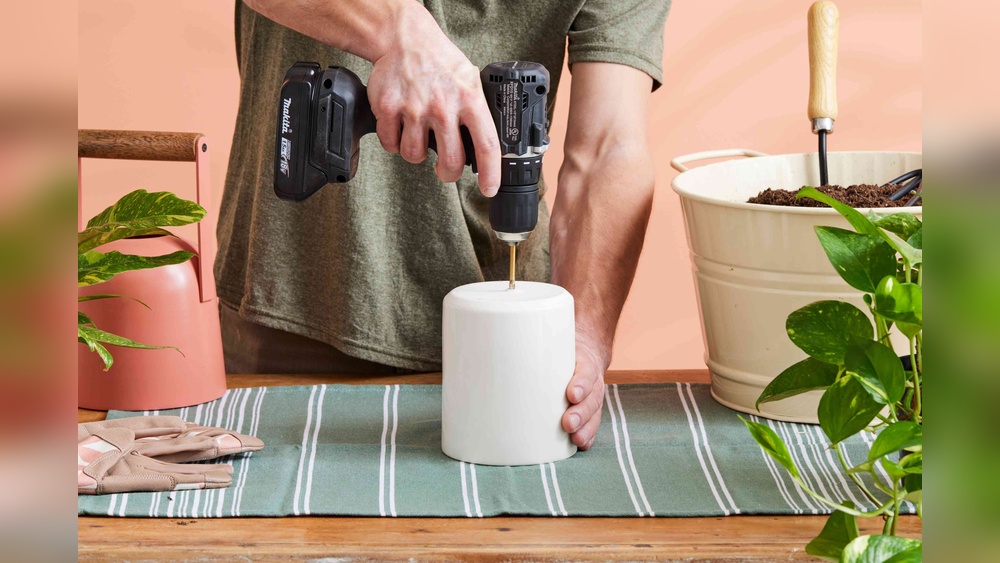
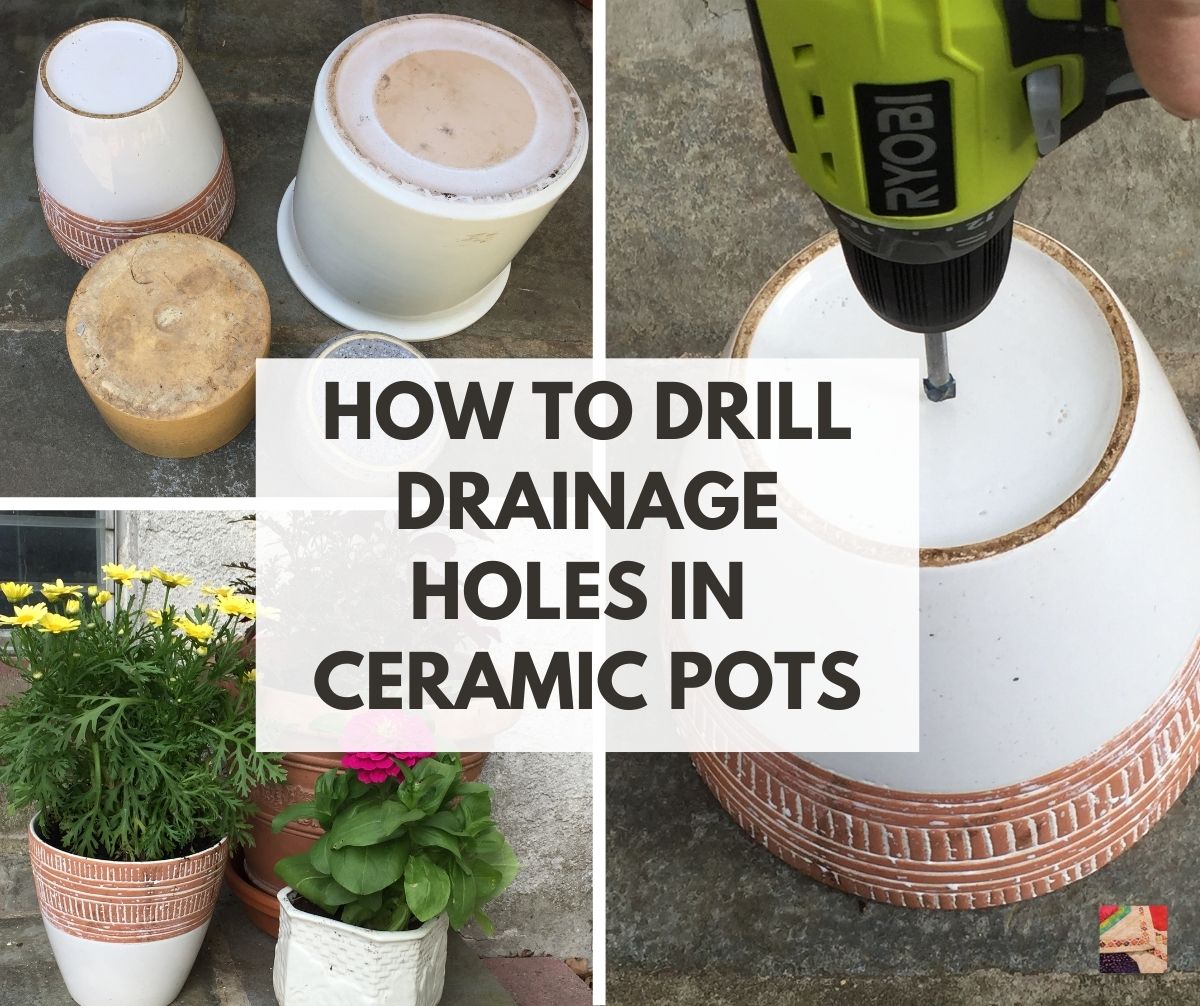
Start drilling slowly at a 45-degree angle to create a small groove. Straighten the drill to 90 degrees after the groove forms. Keep the drill speed low and steady. Spray water on the drill bit and pot to keep them cool. Stop often to check progress and prevent cracks. Finish by gently cleaning the hole edges with sandpaper.

Credit: www.youtube.com
Best Drill Bits For Ceramic
Drilling into ceramic pots needs the right tools. The best drill bits help you make clean holes without breaking the pot. Using the wrong bit can cause cracks or chips. Choosing the proper drill bit saves time and prevents damage.
Here are the best drill bits for ceramic and tips to avoid common mistakes.
Diamond-tipped Bits
Diamond-tipped drill bits are strong and last long. They cut through ceramic easily with little pressure. These bits create smooth holes without cracking the pot. They work well for hard ceramic materials and glazed surfaces. Using water to cool the bit helps it stay sharp and prevents overheating.
Carbide-tipped Bits
Carbide-tipped bits are another good choice for ceramic. They are less expensive than diamond bits but still effective. These bits can handle tough materials but wear out faster. Use slow speed and steady pressure for the best results. Cooling the bit with water reduces heat and extends its life.
Avoiding Common Bit Mistakes
Use slow drill speed to avoid cracking the ceramic. Press gently and let the bit do the work. Avoid using regular wood or metal bits on ceramic. Keep the drill bit cool with water to stop heat build-up. Always start with a small pilot hole before enlarging it. These steps prevent damage and give clean, precise holes.
Preventing Cracks And Breakage
Drilling a hole in a ceramic pot can be tricky. Ceramic is hard but also fragile. Cracks and breakage happen easily without care. Taking steps to protect the pot helps a lot. Use the right techniques and tools to keep the pot safe.
Using Water As A Coolant
Water cools the drill bit and ceramic surface. It stops heat from building up. Heat can cause cracks in the pot. Keep water flowing on the spot while drilling. Use a spray bottle or a small cup of water. This simple step reduces stress on the ceramic.
Applying Steady Pressure
Press gently and evenly on the drill. Too much force can crack the pot. Let the drill bit do the work. Slow and steady is the best method. Avoid pushing hard or moving the drill too fast. This keeps control and prevents damage.
Supporting The Pot Properly
Place the pot on a soft, stable surface. Use a towel or foam to cushion it. Support the area around the hole well. This stops the pot from moving or cracking. Hold the pot firmly but not too tight. Proper support reduces the risk of breakage during drilling.
Alternative Methods To Drill Holes
Drilling holes in ceramic pots can be tricky and may cause cracks. Alternative methods offer safer ways to create holes without damaging the pot. These techniques use different tools suited for ceramic materials. Each method has its own benefits and challenges. Choose the one that fits your skill level and tool availability.
Using A Hole Saw
A hole saw is a special drill bit designed to cut clean holes in hard materials. It has a circular blade with diamond or carbide edges. Use a slow drill speed and steady pressure to avoid cracks. Keep the pot wet during drilling to reduce heat and dust. This method works well for large holes in thicker pots.
Employing A Rotary Tool
A rotary tool is versatile and perfect for small holes or detailed work. Attach a diamond-coated drill bit for the best results. Use light pressure and low speed to prevent cracking. Hold the pot firmly and keep the drill bit cool with water. This tool allows precise hole placement on delicate ceramics.
When To Seek Professional Help
Some ceramic pots are too fragile or valuable to drill at home. Professionals have special tools and experience for safe drilling. Seek help for antique or expensive pots to avoid damage. Experts can create clean, precise holes without breaking the pot. This option saves time and protects your ceramic piece.
Common Mistakes To Avoid
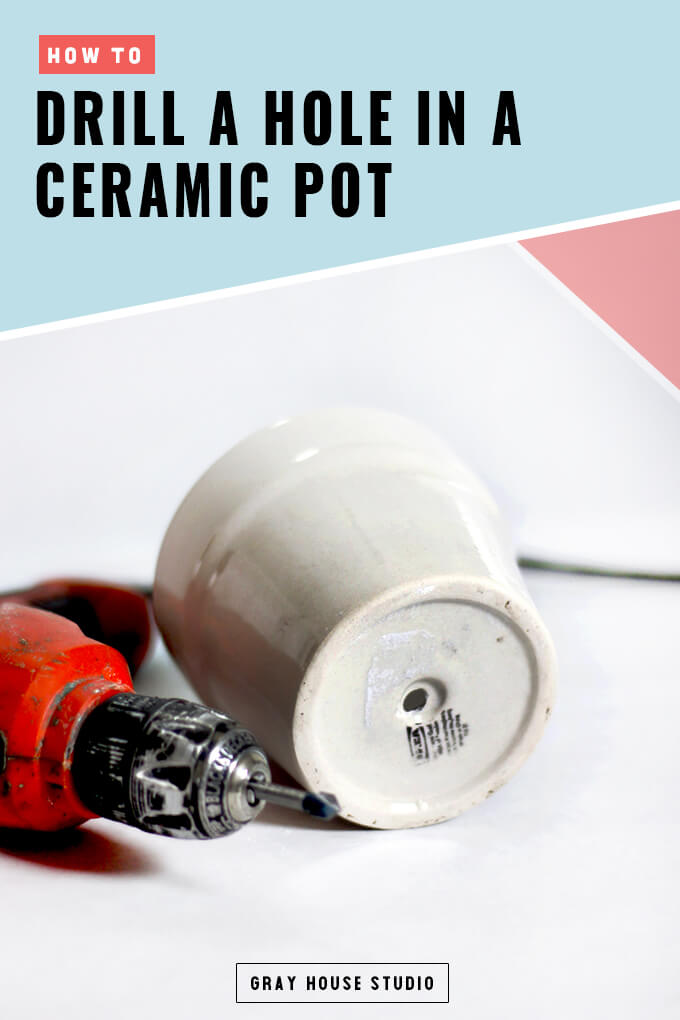
Drilling a hole in a ceramic pot is possible but requires care. Many beginners make simple mistakes that cause cracks or broken pots. Avoiding these errors helps you finish the job smoothly. Here are some common mistakes to watch out for.
Drilling Without Proper Support
Always support the pot firmly before drilling. Without support, the pot may move or crack. Use a soft cloth or cushion to hold the pot steady. This prevents slipping and reduces pressure on the ceramic.
Skipping Safety Gear
Never skip safety gear. Wear safety glasses to protect your eyes from dust and chips. Gloves protect your hands from sharp edges. These small steps keep you safe during drilling.
Rushing The Drilling Process
Take your time while drilling. Drilling too fast causes heat and cracks. Use slow, steady pressure and pause often. Let the drill bit cool down to avoid damage.
Credit: grayhousestudio.com
Maintaining Your Ceramic Pot After Drilling
Maintaining your ceramic pot after drilling is important for its durability. A drilled hole can weaken the pot if not treated right. Taking care of the edges and sealing the hole protects it from cracks and water damage. Regular cleaning helps keep your pot looking good and lasting longer.
Smoothing Rough Edges
After drilling, the edges of the hole might be sharp or rough. Use fine sandpaper or a diamond file to smooth them. This step prevents cuts and stops cracks from growing. Take your time and gently sand all around the hole until it feels smooth to touch.
Sealing The Hole
Sealing the drilled hole helps protect the pot from water leaks. Apply a waterproof sealant made for ceramics around the hole. Let the sealant dry fully before using the pot. This layer adds strength and stops moisture from damaging the ceramic.
Cleaning And Care Tips
Clean your ceramic pot regularly with mild soap and water. Avoid harsh chemicals that can weaken the pot’s surface. Use a soft cloth or sponge to wipe it gently. Keep the pot dry when not in use to avoid mold or stains. Store it in a safe place to prevent accidental cracks.
Credit: www.needlepointers.com
Frequently Asked Questions
Can I Drill A Hole In A Ceramic Pot Safely?
Yes, you can drill a hole in a ceramic pot safely. Use a diamond-tipped drill bit and drill slowly with water to cool the bit. This prevents cracking and ensures a clean hole.
What Tools Do I Need To Drill Ceramic Pots?
You need a diamond-tipped drill bit, a drill, masking tape, and water. The tape prevents slipping, and water cools the bit during drilling, reducing breakage risk.
How To Prevent Ceramic Pots From Cracking When Drilling?
To prevent cracking, drill at low speed and keep the bit wet. Use masking tape on the drilling spot to reduce slipping and apply gentle pressure.
Why Drill Holes In Ceramic Pots?
Drilling holes improves drainage, preventing waterlogging and root rot. Proper drainage helps plants thrive by allowing excess water to escape effectively.
Conclusion
Drilling a hole in a ceramic pot is possible with care and the right tools. Use a diamond drill bit and go slow to avoid cracks. Always wear safety gear and keep the pot wet while drilling. Small holes help with drainage and plant health.
Remember, patience and gentle pressure make the job easier. With these tips, you can customize your pots safely and enjoy healthier plants. Give it a try, and see the difference it makes in your gardening!