Best Electric Cars Under $40,000 in 2026: Top Picks Ranked
The affordable EV segment has matured dramatically heading into 2026. Where budget electric cars once meant compromised range and sparse features, today’s sub-$40,000 options include vehicles with 300+ miles of range, rapid DC fast charging, and interior quality that rivals premium competitors. The federal tax credit landscape has also shifted, making careful attention to pricing and eligibility critical to understanding true out-of-pocket cost. Here are the top picks worth your consideration right now.
Tesla Model 3 RWD — The Benchmark
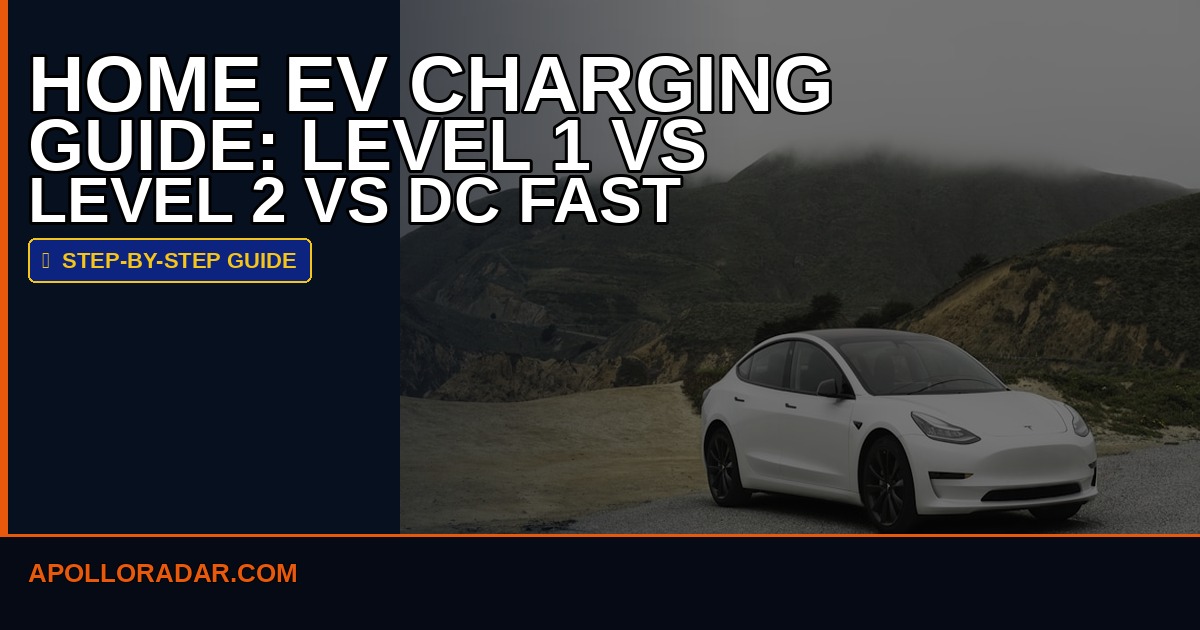
Starting at $38,990, the Tesla Model 3 rear-wheel-drive remains the performance and technology standard in this price segment. Its EPA-rated 272 miles of range is mid-pack for this category, but the real advantage is Tesla’s Supercharger network — the largest and most reliable fast-charging infrastructure in North America. Road trips in a Model 3 are genuinely practical in a way that requires more planning with other brands. The Model 3 also receives over-the-air software updates that regularly add features and improve performance, meaning the car you own two years from now can be meaningfully better than what you drove off the lot.
Interior quality has improved substantially with the refreshed Model 3 (nicknamed “Highland”), featuring ambient lighting, a rear touchscreen for passengers, and improved sound insulation. The Model 3 currently qualifies for the $7,500 federal EV tax credit for buyers meeting income and price thresholds, bringing effective cost to $31,490 — a significant factor in its value proposition.
Chevrolet Equinox EV — The Range Leader
The Chevy Equinox EV at $34,995 (LT trim) delivers the longest range in this comparison at 319 miles EPA-rated. For drivers with range anxiety, that number matters. GM has built on its Ultium platform to create a vehicle that feels genuinely premium despite its price — the Equinox EV offers a Google-built infotainment system, solid build quality, and the familiar SUV body style that dominates American new car sales. It also qualifies for the full $7,500 federal tax credit, dropping effective cost to $27,495.
The charging network remains the Equinox EV’s relative weakness. GM’s DC fast charging experience has improved with wider adoption of the NACS (North American Charging Standard) connector, giving access to Tesla Superchargers via adapter. But the consistency of the charging experience still trails Tesla’s native Supercharger integration. If you primarily charge at home, this matters less — most EV owners do 80–90% of their charging overnight.
Hyundai Ioniq 6 SE — The Efficiency Champion
Starting at $38,615, the Hyundai Ioniq 6 SE is one of the most aerodynamically efficient production cars ever built, with a drag coefficient of 0.21. This translates to real-world efficiency that exceeds what its 240-mile EPA range suggests — drivers consistently report outperforming the EPA number in moderate conditions. The Ioniq 6 also features 800-volt architecture, enabling 350 kW ultra-fast charging that can add 68 miles of range in just five minutes at compatible stations. This charging speed advantage is significant on road trips.
Hyundai’s interior is polarizing — the streamlined, low-profile design is striking but limits rear headroom for taller passengers. The cabin quality and feature content at this price point are excellent, with a 12-inch dual-screen setup, large sunroof, and Hyundai’s well-regarded infotainment interface. The Ioniq 6 SE currently qualifies for the $7,500 federal credit for eligible buyers.
Nissan Leaf — The Budget Entry Point
At $28,040, the Nissan Leaf remains the most affordable new EV in the mainstream U.S. market. Its 149-mile EPA range (40 kWh version) makes it a commuter car rather than a road-trip vehicle — but for buyers whose daily driving is under 50 miles and who have home charging, that’s not a limitation. Nissan’s reliability record with the Leaf’s drivetrain is now over a decade long, providing more real-world ownership data than any other EV on this list.
The Leaf’s CHAdeMO fast-charging connector is increasingly difficult to find at public stations as CCS and NACS become the dominant standards. This limits its utility for infrequent longer drives. However, at its price point — potentially $20,540 after the tax credit — the Leaf represents extraordinary value for urban and suburban commuters with reliable home charging.
Volkswagen ID.4 Standard — The European Option
The VW ID.4 Standard at $38,995 offers 209 miles of EPA-rated range with a focus on comfort and build quality that reflects its European origins. VW has addressed the infotainment complaints from the ID.4’s early production years with software updates, and the driving dynamics are genuinely engaging for an SUV in this price range. The ID.4 qualifies for the $7,500 federal tax credit when built at VW’s Chattanooga, Tennessee facility, which applies to most U.S.-market inventory.
The ID.4’s charging experience uses CCS with access to Electrify America’s network (included for three years in earlier model years, now a paid feature), and NACS adapter availability has improved access to Tesla Superchargers. Range is the main concession at 209 miles — adequate for most daily use but requiring more planning on longer trips than the Equinox EV or Model 3.
Head-to-Head Comparison
| Model | Base Price | After $7,500 Credit | EPA Range | DC Fast Charge | Best For |
|---|---|---|---|---|---|
| Tesla Model 3 RWD | $38,990 | $31,490 | 272 mi | Up to 170 kW | Road trips, Supercharger access |
| Chevy Equinox EV LT | $34,995 | $27,495 | 319 mi | Up to 150 kW | Range priority, SUV buyers |
| Hyundai Ioniq 6 SE | $38,615 | $31,115 | 240 mi | Up to 350 kW | Ultra-fast charging, efficiency |
| Nissan Leaf (40 kWh) | $28,040 | $20,540 | 149 mi | Up to 50 kW | Urban commuters, budget buyers |
| VW ID.4 Standard | $38,995 | $31,495 | 209 mi | Up to 135 kW | Comfort, European build quality |
Understanding the Federal Tax Credit in 2026
The Inflation Reduction Act’s EV tax credits remain in effect for 2026, but with critical restrictions. To qualify for the full $7,500 new EV credit, the vehicle must be assembled in North America, meet battery component sourcing requirements, and the buyer must fall under income limits ($150,000 for single filers, $300,000 for joint filers). Additionally, the vehicle’s MSRP must be under $55,000 for cars and $80,000 for SUVs and trucks — all five vehicles on this list fall well within those limits.
The “point of sale” credit option now allows buyers to apply the credit directly at the dealership rather than waiting for their tax return. This makes the credit accessible to buyers who wouldn’t have $7,500 in federal tax liability in a given year. Confirm with your dealer and a tax advisor whether your specific purchase qualifies — VIN-level eligibility can vary within the same model.
Home Charging: The Non-Negotiable Advantage
Every EV on this list becomes a dramatically better ownership proposition with home charging. A Level 2 home charger (240V, typically 32–48 amps) adds 20–40 miles of range per hour, meaning you wake up to a full charge every morning at a cost of $1.00–$3.00 depending on your local electricity rate. Installation costs run $500–$1,200 including the charger unit and electrician fees. If you live in an apartment or house without dedicated parking, public charging network access becomes more important, and the Tesla Model 3’s Supercharger access advantage becomes more significant.
Which One Should You Choose?
The Chevy Equinox EV wins on raw value — 319 miles of range, a $27,495 effective price after the full tax credit, and a familiar SUV format make it the easiest recommendation for most buyers. The Tesla Model 3 wins for road-trip capability and software-forward ownership experience. The Hyundai Ioniq 6 wins for buyers who frequently use public DC fast charging and want the fastest possible replenishment times. The Nissan Leaf wins purely on price for urban commuters with home charging. The VW ID.4 wins for buyers who prioritize interior comfort and European driving refinement above all else. Define your priorities, and one of these will clearly fit.
Frequently Asked Questions
Which EV under $40,000 has the longest range in 2026?
The Chevrolet Equinox EV leads this segment with 319 miles of EPA-rated range on the LT trim at $34,995. After the $7,500 federal tax credit, effective cost drops to approximately $27,495, making it not only the range leader but the best value per mile of range in this price category.
Do all these EVs qualify for the $7,500 federal tax credit?
Most do, but eligibility depends on your income, the specific VIN (not just the model), and whether North American assembly and battery sourcing requirements are met at the time of purchase. Always verify VIN-level eligibility through the IRS or fueleconomy.gov before assuming the credit applies. The Tesla Model 3, Equinox EV, and Ioniq 6 have generally qualified, but requirements can change.
Is public charging good enough if I don’t have home charging?
It depends on your driving patterns and location. In dense urban areas with reliable public charging networks, many EV owners successfully apartment-charge. However, it requires more planning and flexibility than home charging. For buyers without home charging access, the Tesla Model 3’s Supercharger network provides the most reliable and predictable public charging experience currently available in North America.
How long do EV batteries last, and what’s replacement cost?
Most EV manufacturers warrant their batteries for 8 years or 100,000 miles. Real-world data from vehicles like the Nissan Leaf and Tesla Model 3 shows average battery degradation of 10–20% over 150,000–200,000 miles — most owners never replace their battery during ownership. When replacement is eventually needed, costs have fallen to $8,000–$15,000 for most mainstream EVs and continue declining.
What’s the cheapest new EV you can buy in 2026?
The Nissan Leaf at $28,040 (before incentives) remains the most affordable new EV in the mainstream U.S. market. After the $7,500 federal tax credit for qualified buyers, effective cost is approximately $20,540 — making it accessible to buyers who couldn’t previously consider EV ownership. Its 149-mile range is adequate for daily commuters with home charging capability.
About the Author
Marcus Klein
Senior Automotive Editor · 9 Years Experience
Marcus Klein has tested over 80 vehicles and covered automotive trends for 9 years. He specializes in SUVs, EVs, and finding real value in the $20k–45k market. Every recommendation on Apollo Radar is backed by hands-on research, IIHS safety data, and J.D. Power reliability scores — not dealership pressure.