2026 Tesla Model 3 Review: The Electric Sedan That Rewrote the Rulebook
Tesla’s Model 3 enters 2026 as a refined, mature product that has shed most of its early-adopter rough edges while maintaining the performance and technology advantages that made it a phenomenon. The 2026 lineup offers three distinct variants — Standard Range Rear-Wheel Drive, Long Range All-Wheel Drive, and the Performance — each targeting a different buyer profile. After extensive time with all three configurations, here is the complete picture of what the 2026 Tesla Model 3 delivers and where it still has room to improve.
Exterior Design: Highland Refresh Fully Settled In
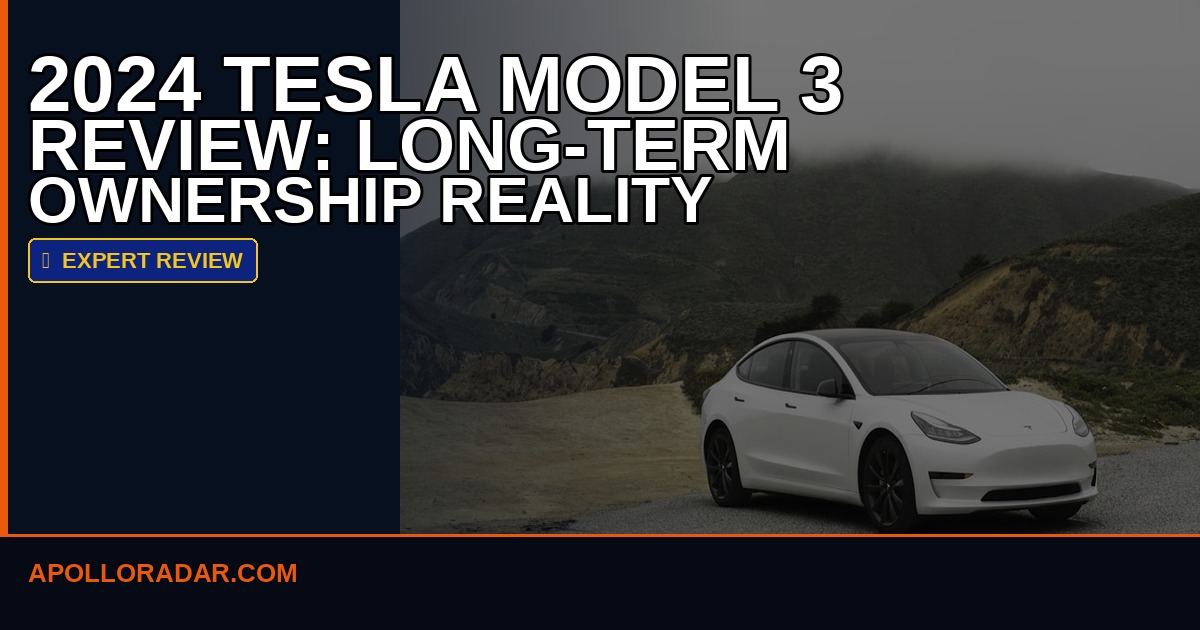
The Highland redesign that debuted in late 2023 has carried forward cleanly into 2026. The front end is smoother and more cohesive than the original Model 3’s polarizing headlight treatment. The full-width light bar at the rear gives the car a distinctive nighttime presence. Body panel quality has noticeably improved compared to 2019 through 2022 production years, with consistent gaps and better paint coverage from the factory. Available in five colors — Pearl White, Midnight Silver, Deep Blue Metallic, Ultra Red, and Stealth Grey — the palette is limited but each option suits the car’s aerodynamic silhouette well.
Interior: Where Tesla Has Made the Most Progress
Step inside the 2026 Model 3 and you encounter an interior that has finally caught up to the car’s external reputation. The center console redesigned for Highland now offers proper physical controls for the most frequently used functions, including a volume roller and push-to-talk buttons — direct responses to years of criticism about the all-touchscreen approach. Ambient lighting now runs along the dashboard and door panels, adding a premium feel that matches European luxury competitors. Ventilated front seats are standard on LR and Performance trims. The rear seat, historically cramped for taller passengers, has received modest improvements in headroom that make longer trips genuinely comfortable for adults up to about 6 feet 1 inch.
The 15.4-inch touchscreen remains the command center for everything from navigation to climate to entertainment. Tesla’s software interface is genuinely intuitive once learned, and over-the-air updates continue to add features and refinements. The latest software version for 2026 includes an improved voice command system that handles natural language requests more reliably than previous iterations.
Powertrain and Range: Three Flavors, All Compelling
The 2026 Model 3 RWD starts at $38,990 and is EPA-rated for 272 miles of range. Real-world range at highway speeds and moderate climate control use typically lands between 240 and 255 miles — respectable for the price point and adequate for the vast majority of daily driving and weekend trips. Charging on a Level 2 home charger adds roughly 30 miles per hour, meaning an overnight charge from 20% easily reaches 90% by morning.
The Long Range AWD at $45,990 extends that figure to an EPA-rated 358 miles, with real-world highway range comfortably exceeding 310 miles in mild weather. Dual-motor AWD also transforms the car’s dynamics in adverse weather, making it a genuinely all-season performer in ways that front-wheel-drive EVs cannot match. The 0-60 mph time of 4.2 seconds is brisk enough to leave most traffic situations with ease.
The Performance model at $50,990 is a driver’s car. Its 0-60 mph time of 2.9 seconds places it firmly in sports car territory, producing the kind of acceleration that surprises even experienced high-performance vehicle drivers. Tesla has also improved the brake feel on the Performance for 2026, addressing a long-standing complaint about the somewhat artificial pedal response that came with aggressive regenerative braking tuning.
Charging: Supercharger Network Advantage Holds Strong
Tesla’s V3 Supercharging network, capable of delivering up to 250 kW peak charging speeds to the 2026 Model 3, remains the best fast-charging experience available to any EV buyer in the United States. On a good V3 session, the Long Range model can add approximately 170 miles of range in 15 minutes. Tesla’s in-car navigation integrates Supercharger stops automatically, calculating arrival state of charge and routing you through the best charging stops. The network now has over 20,000 Supercharger stalls in North America, with continued expansion throughout 2026. Third-party NACS adapters also allow access to Electrify America and other CCS networks as a backup.
Autopilot and Full Self-Driving: Real Utility, Real Caveats
Every 2026 Model 3 comes with Autopilot standard — adaptive cruise control and lane centering that genuinely reduces fatigue on highway drives. The system works reliably in clear conditions and on well-marked roads, though it still requires consistent driver attention and occasional correction. Full Self-Driving is available as a subscription or an $8,000 purchase. FSD in 2026 handles city driving, traffic lights, and stop signs with meaningfully better consistency than three years ago, but it remains a Level 2 system requiring hands on the wheel and eyes on the road at all times. For buyers who do primarily highway driving, standard Autopilot delivers most of the practical value without the FSD price premium.
2026 Tesla Model 3 Trim Comparison
| Trim | Price | Range | 0–60 mph | Drive |
|---|---|---|---|---|
| RWD Standard Range | $38,990 | 272 mi | 5.8 sec | Rear-Wheel |
| Long Range AWD | $45,990 | 358 mi | 4.2 sec | All-Wheel |
| Performance | $50,990 | 315 mi | 2.9 sec | All-Wheel |
Cost of Ownership: The Numbers That Matter
The 2026 Model 3 RWD qualifies for the full $7,500 federal tax credit under the Inflation Reduction Act for buyers who meet income requirements and purchase below the applicable price cap. That effectively prices the base model at $31,490 before state incentives, which in many states pushes the effective cost below $30,000. Electricity costs for 15,000 miles per year average approximately $600 to $800 depending on local utility rates and charging habits — compared to $2,000 to $2,500 for a comparable gasoline vehicle. Maintenance costs are dramatically lower with no oil changes, no spark plugs, fewer brake pad replacements due to regenerative braking, and a simpler drivetrain overall.
Reliability and Build Quality in 2026
Tesla’s reliability has been a legitimate concern in the past. The 2026 Model 3 benefits from years of production refinement at Fremont, and the Highland-era vehicles have shown meaningfully better initial quality metrics than pre-2023 builds. Consumer Reports has moved the Model 3 back into above-average reliability territory for 2025 and 2026 model years. The most common issues — squeaks, rattles, and minor panel fit problems — have been substantially reduced. Tesla’s service network has also expanded, with mobile service resolving a growing percentage of issues without requiring a service center visit.
Who Should Buy the 2026 Tesla Model 3
The RWD model is the right choice for buyers primarily charging at home, driving mostly urban and suburban routes, and prioritizing value above all else. The Long Range AWD is the sweet spot for the majority of buyers — it eliminates range anxiety for virtually all driving scenarios, adds all-weather capability, and the $7,000 price premium over the RWD is manageable given the total ownership cost advantage. The Performance model is for drivers who want a sports car that happens to be electric, and the 2.9-second 0-60 time delivers on that promise every single day.
Frequently Asked Questions
What is the starting price of the 2026 Tesla Model 3?
The 2026 Tesla Model 3 starts at $38,990 for the Standard Range Rear-Wheel Drive variant. After applying the full $7,500 federal tax credit for eligible buyers, the effective price drops to approximately $31,490 before any state-level incentives. The Long Range AWD is $45,990 and the Performance is $50,990.
How far can the 2026 Tesla Model 3 travel on a single charge?
The 2026 Model 3 Long Range AWD leads the lineup with an EPA-rated range of 358 miles. The Standard Range RWD is rated at 272 miles, and the Performance model is rated at 315 miles. Real-world highway range is typically 10 to 15 percent below EPA figures depending on speed, temperature, and load.
Is Full Self-Driving worth the $8,000 price in 2026?
For most buyers, no. Standard Autopilot handles highway driving reliably and delivers the bulk of practical daily-use value at no additional cost. Full Self-Driving adds city street navigation and automatic lane changes, but at $8,000, the cost-benefit ratio only makes sense for high-mileage commuters or early adopter enthusiasts. The monthly subscription at approximately $99 is a better way to try FSD without committing to the full purchase.
How does the 2026 Tesla Model 3 compare to the BMW 3 Series in value?
The 2026 Model 3 Long Range at $45,990 competes directly with the BMW 330i xDrive at $46,200. The Tesla wins on performance (4.2 sec vs 5.5 sec 0-60), technology, and total ownership cost. The BMW wins on interior refinement, dealership service network, and traditional driving dynamics. For buyers who prioritize cost per mile and technology, the Model 3 is the stronger value proposition.
What are the biggest complaints about the 2026 Tesla Model 3?
The most consistent complaints about the 2026 Model 3 include the over-reliance on touchscreen controls for secondary functions, rear seat headroom limitations for tall passengers, the variable responsiveness of the voice command system in noisy environments, and limited cargo space compared to similarly priced hatchback EVs. Service wait times have also improved but can still stretch to two or three weeks in busy metro areas during peak periods.
About the Author
Marcus Klein
Senior Automotive Editor · 9 Years Experience
Marcus Klein has tested over 80 vehicles and covered automotive trends for 9 years. He specializes in SUVs, EVs, and finding real value in the $20k–$45k market. Every recommendation on Apollo Radar is backed by hands-on research, IIHS safety data, and J.D. Power reliability scores — not dealership pressure.