Are Electric Chainsaws Any Good? Essential Guide
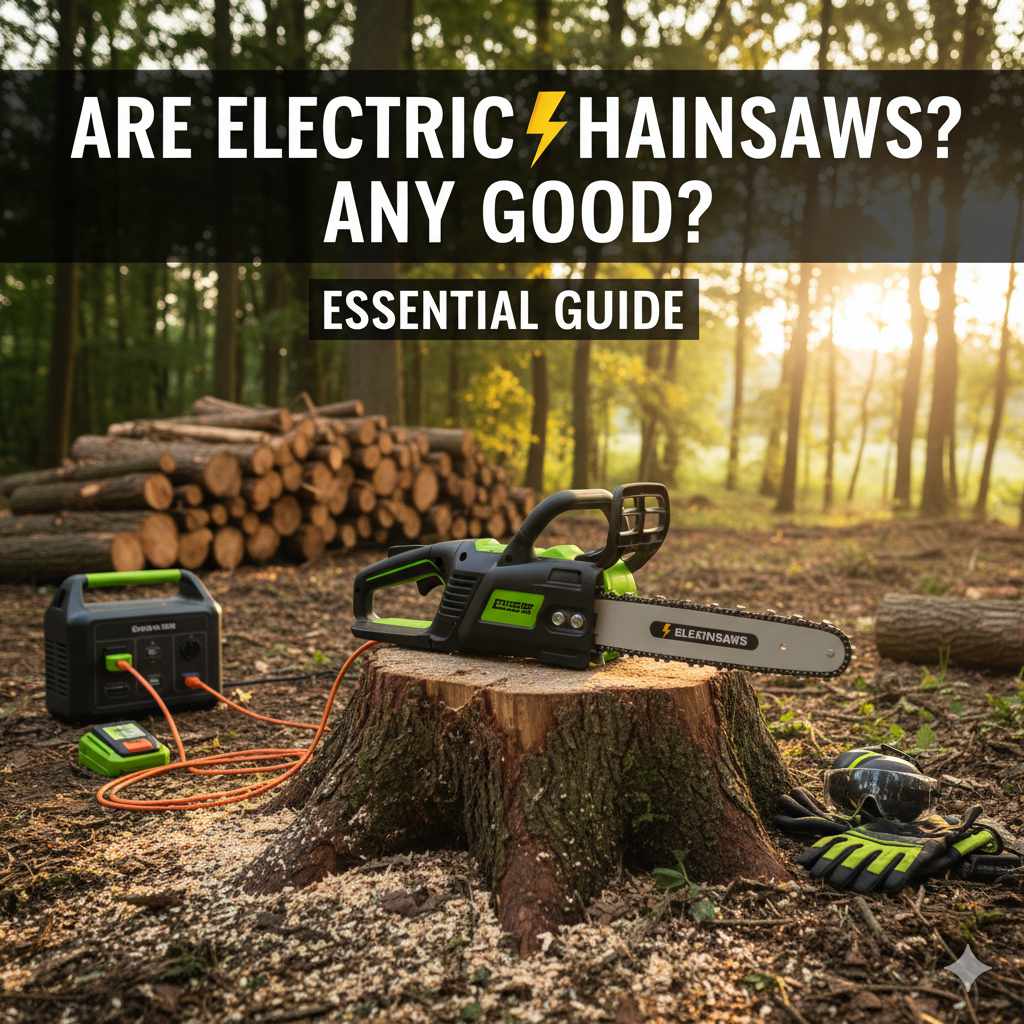
Yes, electric chainsaws are good, especially for homeowners and DIYers with lighter tasks. They offer easier starting, less maintenance, and quieter operation than gas models, making them a fantastic choice for pruning small trees, cutting firewood, and crafting projects. While they may not pack the raw power for heavy-duty logging, their convenience and performance for common jobs are excellent.
Hey there, woodworking friends! Ever found yourself wrestling with a stubborn gas chainsaw, or maybe just staring at one, wondering if there’s a simpler way to tackle those backyard projects? You’re not alone. Many of us dream of shaping wood and tidying up our outdoor spaces without the roar, fumes, and finicky maintenance of traditional gas-powered tools. That’s exactly why so many are asking: “Are electric chainsaws any good?” The answer is a resounding yes, and they might just be the perfect fit for what you need. In this guide, we’ll break down everything you need to know to decide if an electric chainsaw is your next best tool. Let’s get started on making your DIY life a whole lot easier!
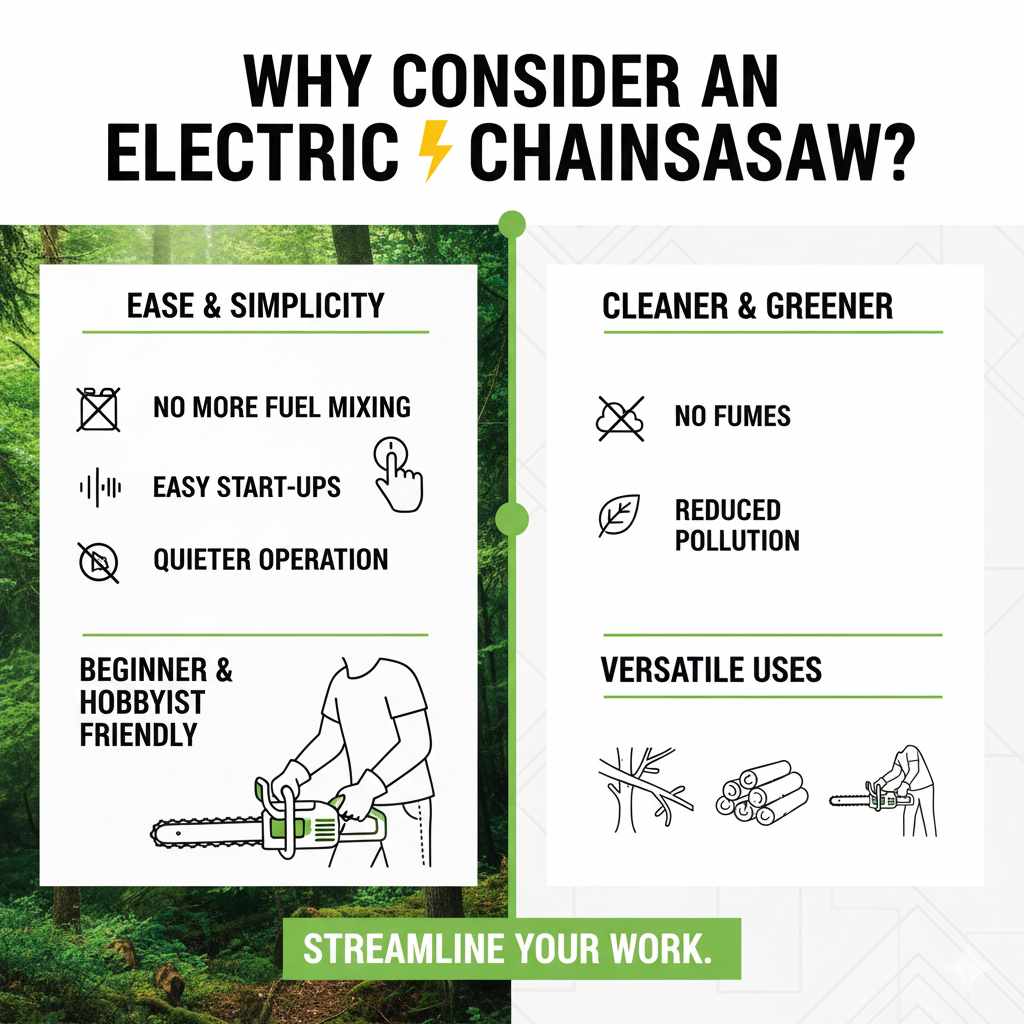
Why Consider an Electric Chainsaw?
When you’re starting out in woodworking or just need a reliable tool for home maintenance, the choices can feel overwhelming. Gas chainsaws are powerful, no doubt, but they come with a learning curve and a fair bit of upkeep. Electric chainsaws, on the other hand, offer a breath of fresh air – literally and figuratively. They bring a level of ease and simplicity that’s incredibly appealing to beginners and serious hobbyists alike.
Think about it: no more mixing fuel, no pull-starting in the cold, and significantly less noise. This makes them not only user-friendly but also kinder to your neighbors and the environment. Whether you’re trimming overgrown branches, chopping up fallen limbs for firewood, or even getting into some creative carving projects, an electric chainsaw can significantly streamline your work.
Types of Electric Chainsaws
Before we dive deeper, it’s helpful to know that not all electric chainsaws are created equal. They generally fall into two main categories: corded and cordless (battery-powered). Each has its own set of advantages and disadvantages, and understanding these will help you choose the right one for your specific needs.
Corded Electric Chainsaws
These are the more traditional electric option. They plug directly into a power outlet via a heavy-duty extension cord.
Pros:
Unlimited runtime as long as you have power.
Typically lighter and less expensive than cordless models.
Consistent power output without worrying about battery life.
Cons:
Limited by the length of the extension cord.
The cord can be a safety hazard, getting in the way or being accidentally cut.
Requires access to a power outlet, restricting where you can use it.
Cordless (Battery-Powered) Electric Chainsaws
These have become incredibly popular due to their flexibility. They run on rechargeable lithium-ion batteries, offering the power of an electric saw without the cord.
Pros:
Complete freedom of movement; no cord to manage.
Quieter than gas chainsaws and often much quieter than corded models.
Low maintenance: no fuel, oil changes, or spark plugs.
Easy to start with the press of a button.
Environmentally friendlier with no direct emissions.
Cons:
Limited by battery life; you’ll need extra batteries for longer jobs.
Batteries can be expensive, especially for higher-voltage models.
Power output might be less than high-end gas chainsaws for very demanding tasks.
Slightly heavier than corded models due to the battery.
What Can Electric Chainsaws Handle?
This is a crucial question, and the answer really depends on the type and power of the electric chainsaw you choose. For many homeowners and DIY enthusiasts, electric chainsaws are more than capable.
Common Uses for Electric Chainsaws:
Pruning and Trimming: Small to medium-sized branches on trees and shrubs.
Felling Small Trees: Trees with a diameter generally under 10-12 inches, depending on the saw’s power.
Cutting Firewood: Slicing logs into manageable lengths for your fireplace or wood stove.
DIY Projects: Cutting lumber for building garden beds, birdhouses, simple furniture, and other craft projects.
Storm Cleanup: Handling smaller debris and fallen branches after a minor storm.
Limitations to Be Aware Of:
While electric chainsaws have improved dramatically, they still have their limits. You’re unlikely to see an electric chainsaw used for felling large, mature trees in a professional logging operation. These tasks require the sustained high power and torque that gas engines typically provide.
For heavy-duty, continuous work, gas might still be the king. However, for typical yard work and hobbyist projects, an electric saw is often the superior choice in terms of ease of use and convenience.
Key Features to Look For
When you’re ready to buy, pay attention to these key features. They’ll help you select an electric chainsaw that meets your needs and provides a positive user experience.
Power Output (Amps or Volts)
Corded: Usually measured in Amps (A). Higher amps mean more power. Look for models with at least 7 Amps for general use, and 10 Amps or more for tougher jobs.
Cordless: Measured in Volts (V) and Amp-hours (Ah). Voltage indicates power, while Amp-hours indicate how long the battery will last. 40V to 60V saws are common for homeowner use. A higher Ah rating means longer runtimes.
Bar and Chain Length
This determines the maximum size of wood you can cut in a single pass.
6-10 inches: Great for light pruning and small branches.
10-16 inches: Suitable for most homeowner tasks, including cutting firewood and felling small trees.
16+ inches: Generally found on more powerful corded or high-end cordless models, for more demanding jobs.
Chain Brake
This is a critical safety feature! It stops the chain almost instantly if the saw kicks back or if you engage it manually. Always ensure the saw you choose has a reliable chain brake. For more information on chainsaw safety, the Occupational Safety and Health Administration (OSHA) provides important guidelines on chainsaw operation.
Tool-Less Chain Tensioning
ADesigned for convenience, this feature allows you to adjust chain tension without needing separate tools like a screwdriver or wrench. It makes quick adjustments on the go much simpler.
Automatic Oiling System
Ensures the bar and chain are constantly lubricated, which is essential for smooth operation and prolonging the life of your saw. Some models allow you to adjust the oil flow.
Weight and Ergonomics
Chainsaws can be heavy. Consider the weight of the saw, especially if you’ll be using it for extended periods or overhead. Good balance and comfortable grips are also important for control and reducing fatigue.
Comparing Electric vs. Gas Chainsaws
To truly understand if an electric chainsaw is good for you, let’s compare it directly to its gas-powered cousin. This table highlights the key differences:
| Feature | Electric Chainsaw | Gas Chainsaw |
|---|---|---|
| Power | Good for light to medium tasks. Can be limited for very demanding jobs. | High power output, ideal for heavy-duty, professional-level work. |
| Starting | Easy push-button start. Consistent and reliable. | Can be difficult pull-start. Requires practice and sometimes choke adjustment. |
| Maintenance | Low: Keep chain sharp, lubricated, and clean. Check connections/batteries. | High: Mixing fuel/oil, cleaning air filters, spark plugs, carburetor adjustments, frequent cleaning. |
| Noise Level | Significantly quieter than gas models. | Very loud, often requiring hearing protection. |
| Emissions/Fumes | No direct emissions. Environmentally friendly. | Produces exhaust fumes (CO, NOx). Less environmentally friendly. Requires good ventilation. |
| Runtime | Corded: Unlimited with power. Cordless: Limited by battery charge (swappable). | Limited by fuel tank size, but refueling is quick. |
| Weight | Generally lighter, especially corded models. | Can be heavier due to engine and fuel. Battery models might be comparable to gas. |
| Cost | Lower initial purchase price for many models. Batteries for cordless can add cost. | Higher initial purchase price. Ongoing fuel costs. |
| Usability Area | Corded: Proximity to power outlet. Cordless: Unlimited range, but limited by battery. | Unlimited range as long as you can carry it and have fuel. |
This comparison should give you a clear picture of where each type of chainsaw excels. For homeowners and DIYers, the convenience and reduced maintenance of electric often outweigh the raw, sometimes unnecessary, power of gas.
Safety First: Electric Chainsaw Operations
Even though electric chainsaws are generally easier and safer to operate than their gas counterparts, safety should always be your top priority. They still have very sharp, fast-moving chains capable of causing serious injury.
Essential Safety Gear:
Safety Glasses or Face Shield: Protect your eyes from flying debris.
Work Gloves: Improve grip and protect your hands.
Hearing Protection: Even electric saws can be loud enough to cause damage over time.
Chainsaw Chaps or Protective Trousers: These are made of special material designed to clog the chain and stop it immediately if it contacts your leg. This is arguably the most important piece of safety gear.
Sturdy Boots: Steel-toed boots are recommended for foot protection.
Close-fitting Clothing: Avoid loose clothing that could get caught in the chain or branches.
Safe Operating Practices:
1. Read the Manual: Always read and understand your chainsaw’s user manual before operating it.
2. Inspect Your Saw: Before each use, check for any damage, ensure the chain is properly tensioned and sharp, and that the chain brake is functioning.
3. Maintain a Secure Grip and Stance: Hold the saw with both hands, with your thumbs wrapped firmly around the handles. Stand with your feet firmly planted, maintaining good balance.
4. Be Aware of Kickback: This is a sudden, upward and backward motion of the chainsaw. It happens when the tip of the guide bar (the “kickback zone”) hits an object or when the wood closes in and pinches the chain. Always be ready to release the trigger and engage the chain brake.
5. Cut at Waist Level or Below: Avoid cutting above shoulder height. This improves control and reduces the risk of losing your balance.
6. Clear Your Work Area: Ensure there are no obstructions, bystanders, or tripping hazards in your vicinity.
7. Never Operate While Fatigued or Impaired: Make sure you are alert and focused when using a chainsaw.
8. Cord Management (for Corded Saws): Always be aware of where the cord is. Consider using a cord management system or brightly colored cords to make them more visible.
By adhering to these safety guidelines, you can significantly reduce the risk of accidents and enjoy your woodworking projects with peace of mind.
Maintaining Your Electric Chainsaw
One of the biggest advantages of electric chainsaws is their low maintenance. However, proper care will extend the life of your saw and keep it performing at its best.
Routine Maintenance Tasks:
Sharpen the Chain: A dull chain is inefficient and dangerous. Learn how to sharpen it yourself with a file and guide, or have it professionally sharpened. Aim for a sharp chain that cuts cleanly.
Check and Adjust Chain Tension: The chain should be snug but still able to move freely by hand. Too loose, and it can derail; too tight, and it can cause premature wear. Refer to your manual for the correct tension.
Clean the Saw: After each use, wipe down the saw to remove sawdust and debris. Pay special attention to the sprocket cover and around the bar.
Check Oil Level (if applicable): If your saw has an automatic oiler, ensure the oil reservoir is filled.
Inspect the Bar: Check for wear and damage. A worn bar can affect the chain’s performance.
Battery Care (for Cordless): Store batteries in a cool, dry place. Avoid extreme temperatures. Follow the manufacturer’s instructions for charging and storage. For detailed battery care, consult resources like The U.S. Department of Energy’s guidance on battery longevity.
Are Electric Chainsaws Worth the Investment?
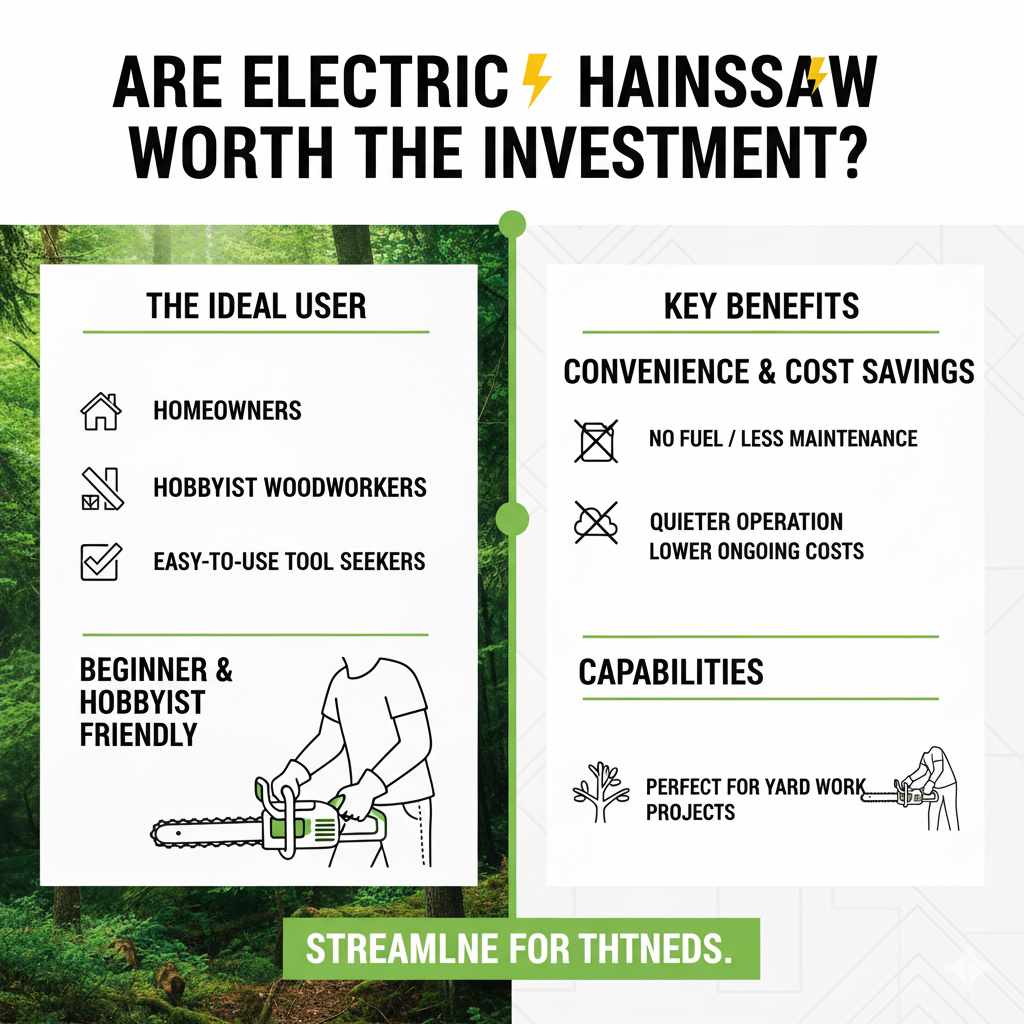
Absolutely, for the right user! If you’re a homeowner with typical yard maintenance needs, a hobbyist woodworker, or just someone who wants a tool that’s easy to use and maintain, an electric chainsaw is a fantastic investment. The convenience factor alone is huge. No more struggling with engines, no more fumes to deal with, and significantly less noise means you can get your work done without disturbing your neighbors.
While they might not replace a professional-grade gas chainsaw for heavy logging, they excel in the tasks most of us perform regularly. The initial cost can be lower, and the ongoing costs for fuel and extensive maintenance are virtually non-existent. Think of them as the reliable workhorse for your everyday cutting needs.
Frequently Asked Questions (FAQ) About Electric Chainsaws
Here are some common questions beginners have about electric chainsaws:
Q1: How powerful are electric chainsaws compared to gas?
Electric chainsaws are generally less powerful than equivalent gas models, especially for heavy-duty tasks like felling large trees. However, for typical homeowner use such as pruning branches, cutting firewood, and DIY projects, modern electric chainsaws offer more than enough power and performance.
Q2: Can an electric chainsaw cut through a 12-inch log?
Many electric chainsaws with a 14- to 16-inch bar can cut through a 10- to 12-inch log, but it will depend on the saw’s power (volts/amps), chain sharpness, and the type of wood. For repeated cutting of logs this size, a higher-voltage cordless or a more powerful corded model is recommended.
Q3: How long do electric chainsaw batteries last?
Battery life varies significantly based on the saw’s voltage, the battery’s amp-hour (Ah) rating, and how you use it. A 4.0Ah or 5.0Ah battery on a 40V-60V saw might provide 30-60 minutes of continuous cutting time. It’s always a good idea to have a spare battery charged for longer jobs.
Q4: Are electric chainsaws safe for beginners?
Yes, electric chainsaws are generally considered safer and easier for beginners than gas chainsaws due to their simpler operation, lighter weight, and less aggressive power delivery. However, they still require proper safety gear and training, as they are powerful cutting tools.
Q5: What kind of maintenance do electric chainsaws need?
Maintenance is minimal. You’ll need to keep the chain sharp, properly tensioned, and lubricated. For cordless models, battery care is important. Always clean the saw after use and inspect it for any damage.
Q6: Can I use an extension cord with a corded electric chainsaw indefinitely?
As long as you use a heavy-duty outdoor-rated extension cord that is the correct gauge for the saw’s amperage and the distance, you can cut indefinitely. However, the cord can be a tripping hazard and limits your range. Always ensure the cord connection is secure.
Conclusion
So, are electric chainsaws any good? For the vast majority of homeowners, DIY enthusiasts, and hobbyist woodworkers, the answer is a resounding yes! They offer a fantastic blend of power, convenience, and ease of use that makes tackling everyday cutting tasks significantly more enjoyable. From pruning unruly branches to preparing firewood or bringing creative woodworking projects to life, an electric chainsaw can be your most trusted tool.
By understanding the different types available, what they can and cannot handle, and always prioritizing safety, you can confidently choose an electric chainsaw that will serve you well for years to come. Don’t let intimidation or the allure of brute force from gas models deter you from exploring the simpler, cleaner, and quieter world of electric cutting power. Get out there, stay safe, and happy cutting!