Arborist Chainsaw Pants: Essential Protection
Arborist chainsaw pants are crucial safety gear that protect your legs from serious chainsaw injuries. They use special materials to stop or slow a moving chain, preventing cuts and keeping you safe while you work. Choosing the right pair ensures comfort and maximum protection.
Whether you’re a seasoned arborist or a homeowner tackling a tree project, safety always comes first. Working with a chainsaw can be incredibly rewarding, allowing you to shape your landscape, clear brush, or even craft beautiful log furniture. However, chainsaws are powerful tools, and their sharp, fast-moving chains demand respect. Many beginners find trying to figure out the best protective gear a bit overwhelming. Among the most vital pieces of equipment are arborist chainsaw pants. These aren’t just regular trousers; they are specifically designed to be a critical safety barrier. We’ll walk through exactly why they are so important and how to pick the perfect pair for your needs, making sure you can work with confidence and peace of mind.
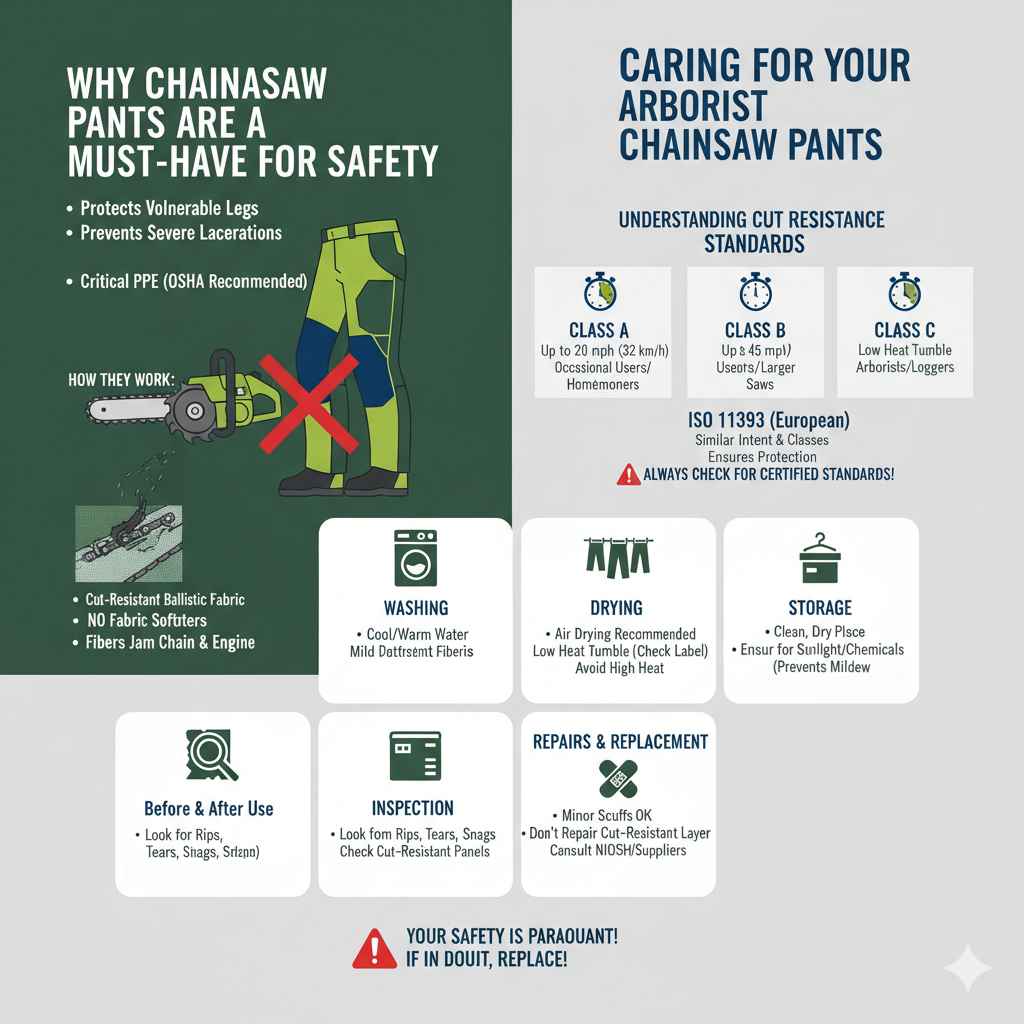
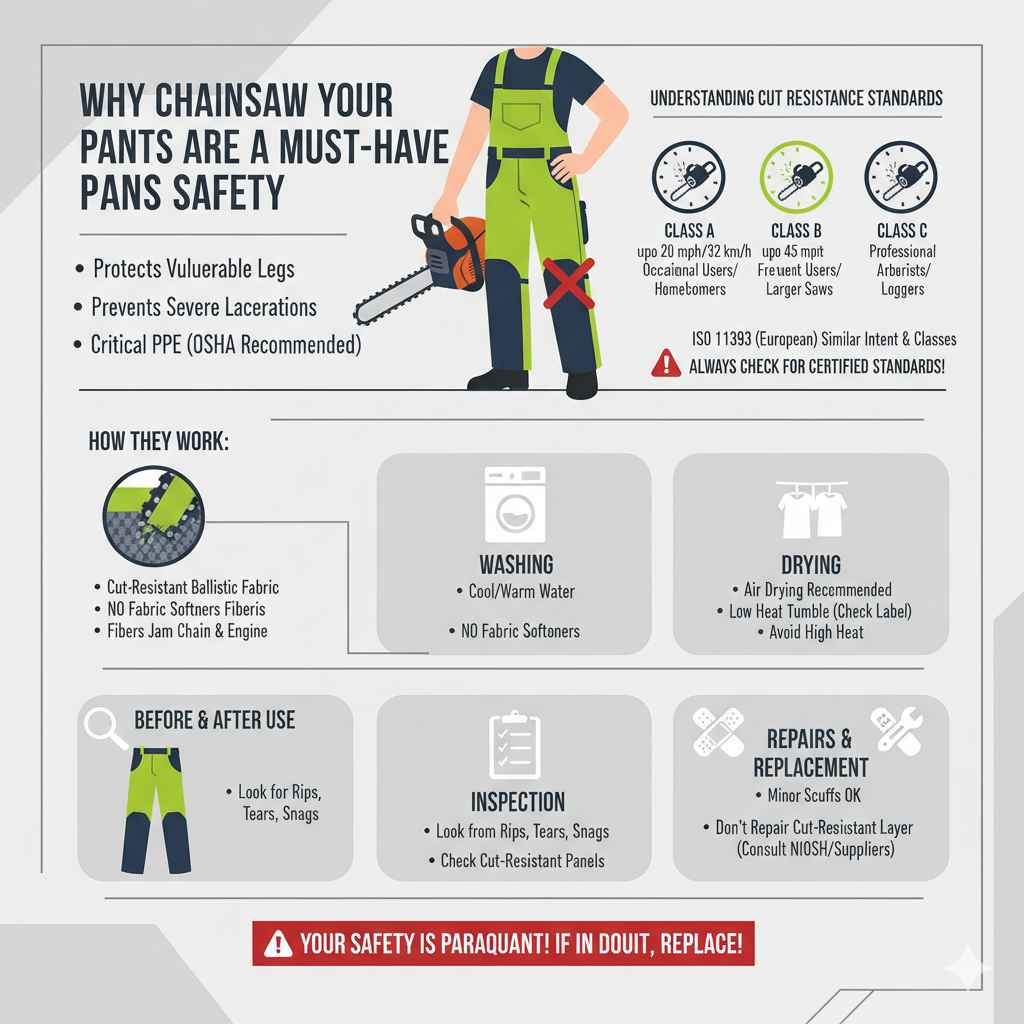
Why Chainsaw Pants Are a Must-Have for Safety
Working with chainsaws carries an inherent risk of injury, and your legs are particularly vulnerable. A moment’s lapse in concentration, a slip, or an unexpected kickback can lead to severe lacerations. This is where arborist chainsaw pants come into play. They are engineered with layers of a special material called “cut-resistant ballistic fabric” or “trap material.”
Imagine a spinning chainsaw chain hitting your leg. The fabric in chainsaw pants is designed to catch the chain. When the chain makes contact, it immediately snags on these fibers. These fibers then get pulled out, jamming the chain and sprocket, and importantly, stopping the engine in many cases. This mechanism is incredibly effective at preventing the chain from cutting into your skin and muscles. It’s a critical safety feature that can mean the difference between a minor scare and a life-altering injury.
The Occupational Safety and Health Administration (OSHA) strongly recommends appropriate personal protective equipment (PPE) when operating chainsaws. This includes head, foot, leg, hand, and eye protection. Chainsaw pants fall squarely into the essential leg protection category. Relying on ordinary work pants or jeans offers virtually no protection against a chainsaw’s sharp chain. They can be easily cut through, defeating the purpose of protective clothing.
Understanding Cut Resistance Standards
You’ll often see chainsaw pants rated according to different standards. The most common in North America is ASTM F1897, which is the standard for leg protection for chainsaw users. This standard specifies different classes of protective legwear based on the speed of the chainsaw chains they are designed to protect against.
Here’s a breakdown:
- Class A: Designed to stop chains moving up to 20 mph (32 km/h). This is a good general-purpose rating for occasional users and homeowners.
- Class B: Designed to stop chains moving up to 45 mph (72 km/h). This offers a higher level of protection and is suitable for more frequent users or those working with larger chainsaws.
- Class C: Designed to stop chains moving up to 65 mph (105 km/h). This offers the highest level of protection. Professional arborists and loggers often opt for Class C.
Another standard you might encounter, especially from European manufacturers, is ISO 11393. This standard also has different classes, similar in intent to ASTM F1897, ensuring a good level of protection against chainsaw contact.
It’s important to choose pants that meet recognized safety standards. This ensures they have been tested and proven effective. Always check the tag or product description for the relevant standard and class.
Key Features to Look For in Arborist Chainsaw Pants
When you’re shopping for the best arborist chainsaw pants, several features can enhance both safety and comfort. No one wants to wear gear that’s uncomfortable, especially when you’re working outside in dynamic conditions.
Here’s what to consider:
- Cut-Resistant Material (Lubricated Wrap or Kevlar): This is the core protective element. Most modern pants use a synthetic fiber that jams the chain. Some high-end models might incorporate Kevlar for extra durability.
- Coverage Area: Ensure the cut-resistant material covers the entire front of your legs, from your waistband down to your boots. Some pants offer extended coverage, which is an excellent bonus.
- Fit and Comfort: Look for pants that offer a good range of motion. Articulated knees and a comfortable waist design are crucial for ease of movement. They shouldn’t feel restrictive.
- Durability and Material: The outer shell should be made of durable, water-resistant, and breathable fabric. Materials like polyester, nylon, or durable blends offer good longevity and comfort in various weather conditions.
- Pockets and Features: Consider the number and placement of pockets. Some pants come with reinforced pockets, tool loops, or reflective elements for low-light visibility.
- Ventilation: For warmer weather or strenuous work, zippered vents on the legs can make a big difference in comfort.
- Weight: Lighter pants are generally more comfortable for extended wear, but don’t sacrifice safety for weight. Find a balance that works for you.
Comparing Different Styles and Brands
The market offers a variety of arborist chainsaw pants, each with its own strengths. You’ll find everything from lightweight options for casual users to heavy-duty professional gear. Brands like STIHL, Husqvarna, and Oregon are well-known for their quality personal protective equipment (PPE), including chainsaw pants. Others like Arbortec and Timberland PRO also offer excellent choices.
Here’s a simplified comparison of what you might find:
| Feature | Entry-Level/Homeowner Pants | Mid-Range/Frequent User Pants | Professional/Arborist Pants |
|---|---|---|---|
| Cut Resistance Class | Class A (20 mph) | Class B (45 mph) | Class C (65 mph) or higher |
| Material Durability | Moderate | Good, often reinforced | Excellent, high-denier fabrics |
| Comfort & Fit | Basic, may be less articulated | More articulated knees, better fit | Designed for maximum mobility, advanced fit |
| Breathability/Ventilation | Standard | Often includes some ventilation | Superior, high breathability, extensive vents |
| Price Range | $100 – $200 | $200 – $350 | $300 – $500+ |
When choosing, think about how often you’ll be using the chainsaw. For occasional yard work, Class A might suffice. If you’re serious about woodworking or frequent tree maintenance, Class B or C is a safer bet. Professional arborists, who spend their days working with powerful saws, will typically invest in the highest class available for maximum protection and durability.
How to Measure and Choose the Right Size
Proper fit is paramount for both safety and comfort. Pants that are too tight can restrict movement and potentially compromise the cut-resistant material. Pants that are too loose can snag on branches and may not position the protective layers correctly in case of a chain strike.
Follow these steps to get the right fit:
- Waist Measurement: Measure around your natural waistline, where you typically wear your pants. Use a flexible measuring tape. If you often wear a tool belt, measure over it.
- Inseam Measurement: This is the length from your crotch down to where you want the pants to end – usually the top of your boot. Have a friend help you measure from your crotch to the floor, or measure a pair of well-fitting pants you own from that point.
- Thigh and Calf Measurement: While not always strictly necessary unless you have very large legs, measuring the circumference of your thighs and calves can help ensure a comfortable fit without restriction.
- Check Size Charts: Once you have your measurements, compare them to the manufacturer’s sizing chart. Sizing can vary significantly between brands. Don’t assume your usual pant size will translate directly.
- Consider Layers: If you plan to wear thick work pants or long johns underneath, factor that into your sizing. It’s often advisable to buy chainsaw pants a size up if you anticipate layering.
- Try Them On (If Possible): The best way to ensure a good fit is to try them on. Walk around, bend your knees, squat down. Do they feel comfortable? Do they restrict your movement in any way?
Some brands offer different fits, such as “regular” or “athletic.” If you have larger thighs or calves, an “athletic” fit might be more comfortable. The goal is a snug but not tight fit, allowing for freedom of movement.
Caring for Your Arborist Chainsaw Pants
Just like any piece of safety equipment, proper care will extend the life of your arborist chainsaw pants and ensure they continue to provide the best possible protection.
Here’s how to maintain them:
- Washing: Always follow the manufacturer’s washing instructions. Typically, they can be machine washed in cool or warm water with a mild detergent. Avoid fabric softeners, as they can clog the fibers of the cut-resistant material, reducing its effectiveness.
- Drying: Air drying is generally recommended. Tumble drying on a low heat setting might be acceptable for some fabrics, but high heat can damage synthetic fibers and the cut-resistant layers. Always check the care label first.
- Inspection: Before and after each use, visually inspect your pants for any signs of damage. Look for rips, tears, excessive wear, snags, or stains in the cut-resistant panels.
- Storage: Store your pants in a clean, dry place, away from direct sunlight and harsh chemicals. Ensure they are fully dry before storing to prevent mildew.
- Repairs: Minor scuffs or abrasions might be acceptable if they don’t compromise the integrity of the fabric. However, any significant cuts, tears, or damage to the cut-resistant layers mean the pants should be retired and replaced. Attempting to repair damaged cut-resistant material often compromises its effectiveness. For guidance on the safety implications of fabric damage, refer to resources like the National Institute for Occupational Safety and Health (NIOSH).
Remember, these pants are a critical piece of your personal protective equipment. Their effectiveness relies on their integrity. If you’re ever in doubt about their condition, it’s always best to err on the side of caution and replace them. You can often find replacement parts or get advice from reputable safety gear suppliers.
Frequently Asked Questions about Arborist Chainsaw Pants
Q1: How much protection do regular work pants offer against a chainsaw?
A1: Regular work pants offer virtually no protection against a chainsaw. Their fabric is not designed to snag or stop a moving chain. Chainsaw pants are made with specialized layers specifically to jam the chain and prevent contact with your skin.
Q2: Can I wear shorts or jeans under my chainsaw pants?
A2: Yes, you can wear thin layers like long underwear or thin pants under your chainsaw pants for added warmth and comfort. However, wearing basic jeans or thick cotton pants underneath might be too restrictive and could potentially hold moisture, making you hotter. The key is that the chainsaw pants are the primary protective outer layer.
Q3: How often should I replace my arborist chainsaw pants?
A3: This depends heavily on how often and how intensely you use them. If you use them daily for demanding work, they might need replacement annually or bi-annually. For occasional homeowner use, they can last many years if properly cared for and show no signs of damage. The most important factor is to replace them immediately if they sustain any cuts or significant wear to the cut-resistant material.
Q4: Are chainsaw pants hot and uncomfortable to wear?
A4: They can be warmer than regular pants because of the extra layers of protective material. However, modern chainsaw pants are designed with breathability in mind, often using advanced fabrics and ventilation zippers to help manage heat. Choosing pants made for your climate and considering features like ventilation is key to comfort.
Q5: Where is the cut-resistant material located in chainsaw pants?
A5: The cut-resistant material (the “trap”) is primarily located in the front of the pants, covering the legs from the waist down to the ankle. Some designs also offer limited protection on the sides or back of the legs, but the main focus is the vulnerable front surfaces.
Q6: What’s the difference between chainsaw chaps and full chainsaw pants?
A6: Chainsaw chaps are leg coverings that strap on over your existing pants, offering protection primarily to the front of the legs. Full chainsaw pants are complete trousers that incorporate the cut-resistant material into their construction. Full pants generally offer more comprehensive protection, comfort, and durability, especially the back of the legs in some models, and are less likely to shift out of place compared to chaps.
Q7: Can children wear arborist chainsaw pants?
A7: While some manufacturers offer youth-sized chainsaw pants, it’s crucial that they are properly fitted and that the child is adequately trained and supervised. Chainsaw operation is inherently dangerous, and it’s generally recommended that only trained adults operate chainsaws. If chainsaw work is necessary and children are present, ensuring they have age-appropriate, well-fitting safety gear like PPE is vital, and adult supervision is non-negotiable.
Conclusion
Working with a chainsaw is an activity that demands respect and careful preparation. Investing in a quality pair of arborist chainsaw pants is not just a recommendation; it’s an essential step towards ensuring your safety. These specialized garments are the frontline defense for your legs against the dangers of a spinning chain, designed with advanced materials to stop or significantly slow a cut. By understanding the different classes of protection, key features, and proper sizing, you can select pants that offer both superior safety and comfortable wear.
Remember to always inspect your gear, follow care instructions diligently, and never hesitate to replace pants that show signs of damage. Choosing the right protective equipment, like arborist chainsaw pants, empowers you to tackle your woodworking and land management projects with greater confidence, knowing you’ve taken a crucial step in safeguarding yourself. Your safety is paramount, and with the right gear, you can enjoy the rewards of working with power tools while minimizing risks. So, gear up wisely, work safely, and enjoy your projects!