DIY Geometric Wood Accent Wall: Stunning Ideas to Transform Your Space
Are you ready to transform your space with a stunning feature that’s both modern and personal? A DIY geometric wood accent wall is the perfect way to add warmth, texture, and style to any room.
Imagine turning a plain wall into a bold statement that catches every eye. You’ll discover simple steps and insider tips to create your own eye-catching design without spending a fortune. Get ready to impress yourself and your guests with a project that’s easier than you think!
Choosing The Right Wood
Choosing the right wood is key for a stunning geometric wood accent wall. The wood type affects the look, feel, and durability of your wall. It also impacts how easy the project will be. This section breaks down the best wood types, finishes, and eco-friendly options.
Types Of Wood For Accent Walls
Softwoods like pine and cedar are easy to cut and shape. They suit beginners well. Hardwoods such as oak and maple offer strength and unique grain patterns. They create a rich, lasting wall. Reclaimed wood adds character and history. It often has natural color variations and texture.
Wood Finishes And Textures
Finishes protect wood and change its appearance. Matte finishes give a natural, smooth look. Glossy finishes add shine and highlight wood grain. Textured wood has knots and grooves that add depth. Sanding can smooth rough surfaces for a clean design. Choose a finish that matches your room’s style and lighting.
Sustainable Wood Options
Sustainable wood comes from forests managed to last. Bamboo is fast-growing and very strong. It is a great eco-friendly choice. FSC-certified wood ensures responsible harvesting. Using recycled wood reduces waste and helps the planet. Sustainable choices support green building and healthy homes.
Designing Geometric Patterns
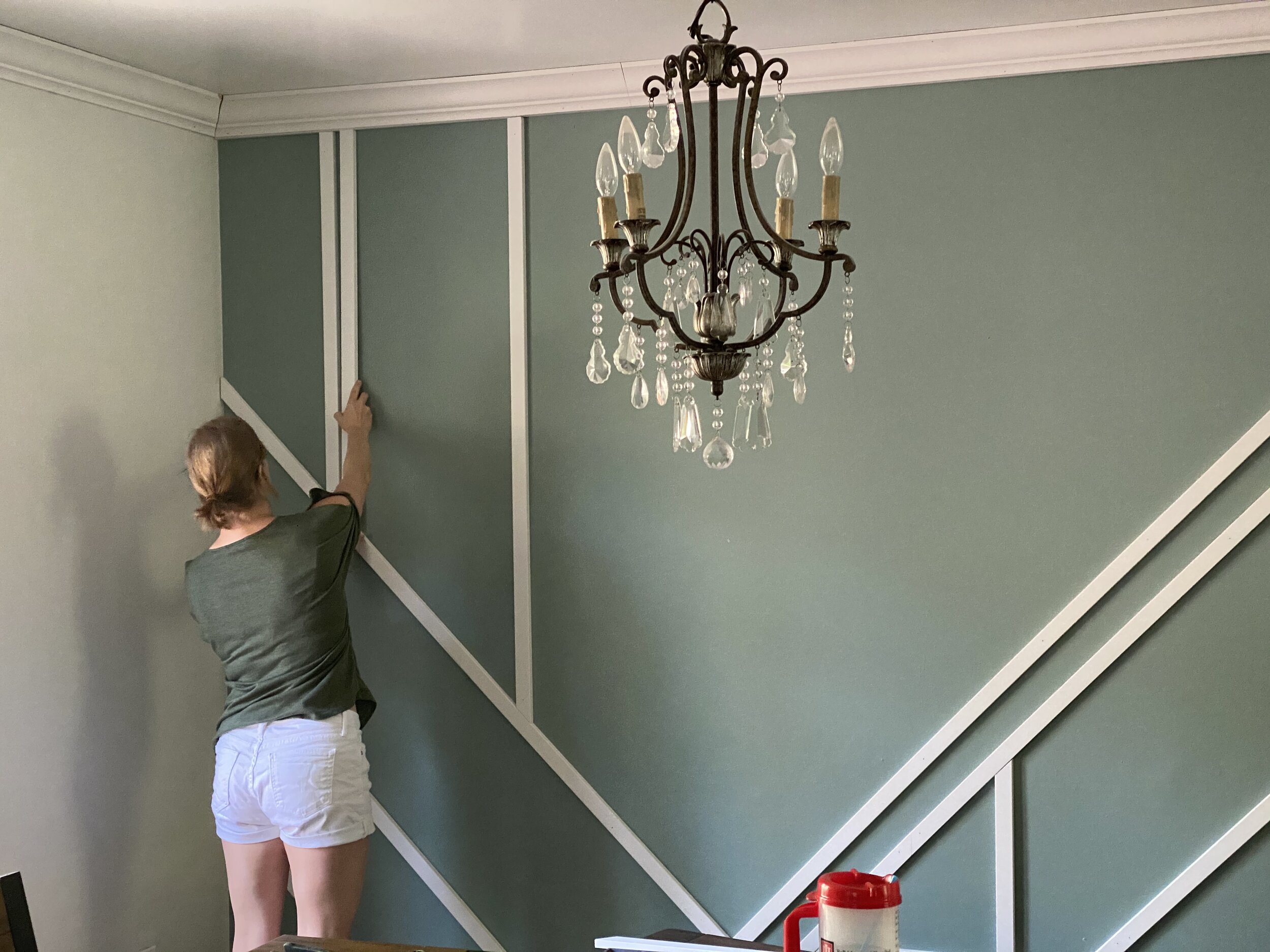
Designing geometric patterns for a wood accent wall can transform any room. These patterns bring structure and style to plain walls. Simple shapes can create bold, modern looks. Complex designs add depth and texture. Choosing the right pattern depends on your space and taste.
Think about how shapes fit together. Balance and repetition make the design pleasing. Keep the scale of shapes in mind. Large shapes give a strong statement. Small shapes create subtle details. Start with a sketch to plan your layout.
Popular Geometric Shapes
Triangles, squares, and hexagons are common choices. Triangles form sharp, dynamic patterns. Squares offer clean, stable lines. Hexagons add a honeycomb effect, soft but structured. Circles are less common but bring softness to the design. Choose shapes that match your room’s mood.
Mixing Patterns For Visual Interest
Combine different shapes for a unique look. Use large and small shapes together. Try alternating between solid and open patterns. Overlapping shapes create depth. Keep the mix balanced to avoid clutter. Test patterns on paper before applying them to wood.
Using Color And Contrast
Color highlights the geometric design clearly. Use light and dark shades for contrast. Natural wood tones with painted sections work well. A single color with different finishes adds texture. Bright colors draw attention but use them sparingly. Contrast helps the shapes stand out on your wall.
Tools And Materials Needed
Creating a geometric wood accent wall requires specific tools and materials. These items help you achieve clean lines and a smooth finish. Preparing everything before starting saves time and reduces mistakes. Safety is also very important during this project.
Essential Tools For DIY
You will need a miter saw to cut wood pieces at precise angles. A tape measure helps you get exact lengths. Use a level to keep the design straight. A nail gun or hammer will attach the wood to the wall. A pencil is useful for marking measurements on wood.
Wood Preparation Supplies
Choose wood boards that fit your design. Sandpaper smooths rough edges for a neat look. Wood stain or paint adds color and protects the wood. Use a brush or cloth to apply stain evenly. Wood filler fills any gaps or holes for a clean finish.
Safety Equipment
Wear safety goggles to protect your eyes from wood chips. Use ear protection to guard against loud saw noises. Gloves protect your hands from splinters and sharp edges. A dust mask prevents inhaling sawdust during cutting and sanding. Always work in a well-ventilated area.
Step-by-step Installation Guide
Creating a DIY geometric wood accent wall adds charm and style to any room. Follow this step-by-step guide to install it yourself. Each step is easy to understand and follow. Take your time to get the best results.
Wall Preparation
Start by cleaning the wall surface. Remove any nails, hooks, or dirt. Fill holes and smooth rough spots with spackle. Let it dry completely. Sand the wall lightly for better wood adhesion. Use a level to mark horizontal and vertical guide lines. These lines help keep the design straight and even.
Measuring And Cutting Wood
Choose wood boards that match your design and space. Measure the wall carefully before cutting. Use a tape measure and pencil for accuracy. Cut wood pieces using a miter saw or handsaw. Follow your geometric pattern closely. Label each piece to avoid confusion later. Sand edges for a smooth finish.
Assembling And Mounting Panels
Lay out wood pieces on the floor to check the design. Make sure all parts fit together well. Attach the pieces using wood glue or nails. Work in small sections for easier handling. Mount each panel on the wall using a nail gun or screws. Start from the bottom and move up. Check alignment frequently to keep the pattern straight.
Maintenance Tips
Maintaining a DIY geometric wood accent wall keeps it looking fresh and beautiful. Regular care protects the wood and extends its life. Simple steps help avoid damage and preserve its style.
Cleaning And Dusting
Dust builds up quickly on wood surfaces. Use a soft cloth or a microfiber duster. Gently wipe the wall to remove dust without scratching. Avoid wet cloths that can damage the wood. Clean at least once a week for best results.
Repairing Scratches And Damages
Small scratches happen over time. Use a wood repair marker or wax stick matching the wood color. Fill in the scratch and smooth it gently. For deeper damage, sand lightly and reapply finish. Quick repairs keep the wall looking neat.
Preserving Wood Finish
Wood finishes fade or wear with time. Apply a wood polish or oil every few months. This protects the surface and enhances its shine. Avoid harsh chemicals that strip the finish. Proper care keeps the wood rich and vibrant longer.

Inspiration From Real Projects
Real projects offer the best ideas for a DIY geometric wood accent wall. They show practical uses and creative styles. Seeing actual results helps you choose a style that fits your space. These examples inspire and guide your project with clear, simple designs.
Modern Minimalist Designs
Modern minimalist walls use clean lines and simple shapes. They focus on neutral colors like white, gray, or light wood. The patterns are often geometric but not busy. This style creates a calm and open feel in any room.
Many projects use thin wood strips in triangles or squares. They keep the design light and fresh. Minimalist accent walls work well in bedrooms and offices.
Rustic And Warm Styles
Rustic designs use natural wood with visible grain and knots. They bring warmth and texture to the wall. These projects often mix wood tones for a cozy look.
Geometric patterns in rustic styles are larger and less precise. This gives a handcrafted, natural feel. Such walls suit living rooms and cabins perfectly.
Bold And Colorful Accents
Bold designs add bright colors to geometric wood shapes. They create a lively and fun atmosphere. Some projects paint each section a different color for a patchwork effect.
These accent walls become the room’s focal point. They fit well in playrooms, kitchens, or creative spaces. Bright colors and sharp patterns bring energy and personality.
Frequently Asked Questions
What Materials Are Needed For A Geometric Wood Accent Wall?
You need wood panels, a measuring tape, saw, nails, wood glue, sandpaper, and paint or stain. Choose quality wood for durability and aesthetic appeal.
How Do I Design A Geometric Pattern For My Wall?
Start by sketching your pattern on paper. Use a ruler for precise shapes. Transfer the design onto the wall or wood panels for accurate cutting.
Can I Install A Geometric Wood Accent Wall Myself?
Yes, with basic carpentry skills and tools, DIY installation is possible. Follow safety guidelines and take time to measure and cut accurately.
How Do I Maintain A Geometric Wood Accent Wall?
Regular dusting and occasional cleaning with a damp cloth keep it fresh. Avoid harsh chemicals to preserve the wood’s finish and color.
Conclusion
Creating a geometric wood accent wall adds charm to any room. It brings warmth and style with simple tools and steps. You can choose patterns that fit your space and taste. This project saves money and lets you express creativity.
Enjoy the new look that brightens your home instantly. Try it yourself and see how wood transforms your walls. A fresh, unique touch is just a few boards away.